

Stop Mildew: Albany Homeowner’s Guide | handyman albany

Introduction: A prevention-first guide for Albany homeowners
Mildew thrives in moisture, warmth, and still air. Albany homes see all three. You can stop mildew without remediation by controlling humidity, moving air, and sealing surfaces that trap water. This guide shows exactly how. If you want a trusted local resource for upgrades and routine help, A&S Home Services supports first-time Albany homeowners with practical, cost-conscious solutions.
Below, you will find direct answers, checklists, and comparisons. You will also see a seasonal plan and maintenance timelines. Use it to build a simple, repeatable routine that keeps mildew away. For even better long-term protection against moisture and high humidity, this guide on home efficiency upgrades Latham NY highlights how ventilation improvements, air sealing, and energy-efficient upgrades can work together to create a drier, healthier, and more comfortable home environment year-round.
Local tip: Albany summers bring high humidity. Basements and bathrooms often become hotspots. You can break that pattern with targeted ventilation, right-sized dehumidification, and durable sealants in wet zones.
Why mildew forms in Albany homes
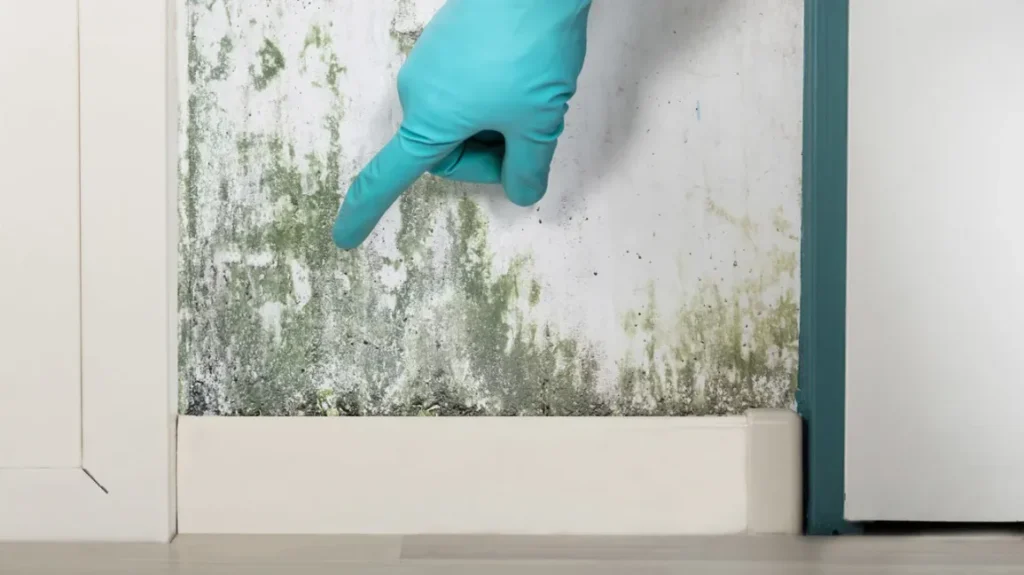
Q: What triggers mildew growth?
Mildew needs three things: moisture, mild warmth, and a food source like dust or soap film. Albany’s humid months and older housing stock create the conditions. Showers, cooking, and wet basements add daily moisture loads.
- Relative humidity above 60% lets mildew take hold.
- Still air traps moisture on surfaces.
- Porous materials keep water inside.
Q: Why is Albany at higher risk?
- Humid summers raise indoor RH without active control.
- Basements often have masonry walls that wick moisture.
- Older bathrooms may vent to the attic or nowhere outdoors.
- Ice dams and roof leaks wet attics in freeze-thaw cycles.
Q: Which rooms show mildew first?
- Bathrooms: shower walls, ceilings, grout lines.
- Basements: corners, near cold concrete, behind storage.
- Kitchens: ceilings near cooktops, under sinks.
- Bedrooms: exterior wall corners, behind furniture on outside walls.
What effective prevention looks like
Q: What targets should I aim for?
- Relative Humidity: 40% to 50% in living spaces. Up to 55% in summer if needed.
- Bathroom ventilation: 50 to 110 CFM fans, run during and 20–30 minutes after showers.
- Basement RH: 45% to 50% using a dehumidifier with a drain hose to a floor drain or condensate pump.
- Kitchen venting: 150+ CFM ducted to the outdoors for frequent cooking.
- Sealants: Penetrating sealers on grout and masonry; fresh silicone caulk in wet seams; vapor-retarder paints where appropriate.
Q: What routine will prevent 90% of mildew?
- Run fans during moisture events.
- Set dehumidifiers to 45%–50% and drain them continuously.
- Seal grout and masonry once or twice a year.
- Dry surfaces: squeegee shower walls; wipe window condensation fast.
- Keep air moving: crack interior doors, use low-speed circulation.
Comparison: Dehumidification vs. Ventilation vs. Sealants for typical Albany housing
| Method | Primary Goal | Best Locations | Estimated Upfront Cost | Energy Use | Maintenance | Pros | Cons | Best For |
|---|---|---|---|---|---|---|---|---|
| Dehumidification | Lower indoor RH | Basements, ground floors, closed rooms | $200–$1,800 (portable to whole-home) | Moderate to high | Filter clean, coil dusting, hose care | Fast results, precise RH control | Uses electricity; needs drainage | Basements, summer peaks, laundry rooms |
| Ventilation | Remove moist air at source | Bathrooms, kitchens, laundry, attics | $150–$1,500 (fan to HRV/ERV upgrades) | Low to moderate | Clean fan grilles; keep ducts clear | Targets moisture immediately; improves air | Undersized or poorly ducted fans underperform | Daily showers, cooking, tight homes |
| Sealants | Block absorption and leaks | Showers, backsplashes, basements, windows | $25–$600 (DIY to pro resealing) | None | Reapply yearly or per product spec | Prevents soaking; protects finishes | Won’t solve high RH alone | Tile grout, concrete, seams, sills |
Ventilation basics for Albany houses

Q: Which rooms need exhaust fans?
- Bathrooms with showers or tubs.
- Kitchens with frequent cooking.
- Laundry rooms without windows.
Q: How big should a bathroom fan be?
- 50 CFM for small baths up to 50 sq ft.
- 80–110 CFM for typical family baths.
- Add more CFM for long or restrictive ducts.
Q: How long should I run the fan?
- During showers: fan on the entire time.
- After showers: 20–30 minutes on a timer.
- Close the bathroom door during use for best capture.
Q: What ducting rules matter most?
- Vent to the outdoors. Never to the attic.
- Keep runs short and straight.
- Use smooth metal or high-quality rigid duct.
- Seal joints with foil tape. Insulate ducts in cold spaces.
Q: Do I need an HRV or ERV?
- HRV/ERV units balance fresh air with heat recovery.
- They help in tight homes or where window condensation persists.
- They reduce stale air while controlling moisture.
Q: What about attics?
- Ensure clear soffit vents and unobstructed baffles.
- Use ridge vents or gable vents to exhaust warm, moist air.
- Seal ceiling penetrations below to block warm interior air from reaching the attic.
Q: Can a range hood help?
- Use a ducted hood that vents outside. 150–300 CFM for typical kitchens.
- Run it during boiling, simmering, and frying.
Dehumidification done right
Q: How do I size a dehumidifier?
- Basements up to 1,200 sq ft: 50–70 pint/day unit, depending on dampness.
- Larger or wetter spaces: 70–90 pint/day.
- Whole-home systems: consider if multiple rooms stay above 55% RH.
Q: Where should I place it?
- Basement center or the dampest zone.
- Keep 6–12 inches of clearance on all sides.
- Use continuous drain to a floor drain or condensate pump.
Q: What setpoint works best?
- 45%–50% RH in summer.
- 40%–45% RH in shoulder seasons.
- Avoid below 40% for long periods to reduce energy use and static.
Q: How do I run it efficiently?
- Close windows and doors in the treated area.
- Use a fan on low to move air through the space.
- Clean or replace filters every 1–3 months.
Q: Should I consider a whole-home unit?
- Yes, if you use central air and multiple rooms stay humid.
- Whole-home units integrate with ducts and drain automatically.
- They use more power but deliver stable RH across the house.
Sealants that stop mildew from taking hold
Q: Which sealants matter most?
- Penetrating grout sealers: protect tile grout in showers and backsplashes.
- Silicone or advanced hybrid caulk: seal tub-to-wall, sink-to-counter, and shower corners.
- Concrete/masonry sealers: reduce basement wall moisture absorption.
- Vapor-retarder paints: help in high-moisture rooms when paired with ventilation.
Q: How do I prep and apply?
- Clean and dry surfaces fully. Remove soap film and mildew stains.
- Cut out failed caulk before re-caulking.
- Apply sealer per label; use thin, even coats.
- Respect cure times. Keep surfaces dry until cured.
Q: How often should I reapply?
- Grout sealer: every 6–12 months in showers; longer in low-use areas.
- Silicone caulk: inspect every 6 months; replace as soon as cracks appear.
- Masonry sealer: every 3–5 years, depending on product and exposure.
Q: Any safety tips?
- Ventilate the workspace.
- Wear gloves and eye protection.
- Use low-VOC products where possible.
handyman albany
Albany homeowners often want fast, reliable help to size fans, set ductwork, and seal wet zones. A local handyman albany resource can tighten up the details and prevent repeat problems.
- Balance bath and kitchen ventilation to match your routines.
- Install timers and humidity sensors for hands-free control.
- Seal basements and bathrooms to block water absorption.
- Draft-proof and insulate to stop condensation at cold corners.
If you also want to cut utility bills while you prevent mildew, review how to make your home more energy efficient with handyman services. Lowering infiltration and improving airflow often solves both comfort and mildew challenges.
When to DIY mildew prevention
Q: Which tasks fit a confident DIYer?
- Run and maintain portable dehumidifiers with drain hoses.
- Install a bathroom fan if wiring and attic access are straightforward.
- Replace worn silicone caulk around tubs and sinks.
- Apply grout and masonry sealers after deep cleaning.
- Set range hood use during cooking and adjust habits.
- Use a squeegee after showers to remove surface water.
Q: What mistakes should I avoid?
- Ventilating into an attic or crawlspace. Always vent outside.
- Undersizing fans. Choose an 80–110 CFM fan for full baths.
- Skipping surface prep. Sealants only stick to clean, dry surfaces.
- Ignoring drainage. A dehumidifier fills the bucket fast in summer.
When to contact professional support
Q: When does it make sense to call in help?
- Persistent humidity above 55% even with a dehumidifier running.
- Condensation on windows and exterior wall corners in summer.
- Ductwork re-routing, long runs, or roof penetrations for vents.
- Electrical additions for new fans, timers, or dedicated outlets.
- Basement water entry that suggests grading or drainage issues.
A skilled handyman albany pro can right-size fans, improve ducting, and seal problem areas in one visit. You get faster results and less trial and error.
Step-by-step checklist: Your mildew prevention maintenance
Weekly
- Bathroom: Run fan during showers and 20–30 minutes after.
- Shower: Squeegee walls and glass after the last shower of the day.
- Kitchen: Use the range hood whenever you boil, simmer, or fry.
- Basement: Confirm dehumidifier drain flow and display RH.
Monthly
- Clean fan grilles and range hood filters.
- Vacuum dehumidifier intake and clean filters.
- Inspect caulk lines in baths and kitchens; spot-repair as needed.
- Check for condensation on windows and adjust RH settings.
Seasonal (Spring and Fall)
- Test bathroom and kitchen fan flow. Replace weak fans.
- Inspect duct terminations outside. Clear obstructions.
- Re-seal grout in high-use showers.
- Touch up caulk in corners and seams.
- Inspect attic ventilation and baffles.
Annual
- Deep clean tile and grout. Apply penetrating sealer.
- Clean range hood internals and replace filters.
- Service whole-home dehumidifiers if installed.
- Review humidity data and adjust targets.
Seasonal risk vs. recommended maintenance
Use this simple timeline to plan your effort where it matters most.
Month:   J  F  M  A  M  J  J  A  S  O  N  D
Risk:    ░  ░  ▒  ▒  ▓  █  █  █  ▓  ▒  ░  ░
Key:     Low=░  Medium=▒/▓  High=█
- January–February (Low): Inspect fans and ducts. Plan upgrades.
- March–April (Medium): Start dehumidifier checks. Seal grout before humidity rises.
- May–September (High): Run dehumidifiers at 45%–50% RH. Use fans daily. Inspect caulk monthly.
- October (Medium): Re-seal grout. Service dehumidifiers and clean filters.
- November–December (Low): Check attic ventilation. Address window condensation issues.
Targeted Q&A: Practical fixes that work
Q: Does air conditioning remove enough moisture?
Sometimes. AC helps, but AC alone often leaves basements humid. Use AC plus a basement dehumidifier for stable results.
Q: Should I crack a window after a shower?
Only if you lack a proper fan. A fan that vents outdoors works better and keeps humidity from spreading to the rest of the house.
Q: Do indoor plants increase humidity?
Yes, slightly. Group plants away from cold exterior corners. Avoid heavy watering in already humid rooms.
Q: Is a quiet bathroom fan still effective?
Yes, if it moves enough air. Check the CFM. Many quiet fans perform well and encourage daily use.
Q: What if I smell mustiness in a closet?
Add air movement. Use louvered doors or small vents. Reduce RH in the adjacent room. Avoid over-stuffing closets against exterior walls.
Q: Should I paint over mildew?
No. Clean and dry the surface first. Control humidity. Then use the right paint or sealer. Paint alone won’t solve the moisture source.
Q: Do towels and bath mats matter?
Yes. Wash and fully dry them. Hang towels so air can circulate. Damp fabrics raise humidity and add odor.
Room-by-room action plans
Bathrooms
- Fan: 80–110 CFM on a 30-minute timer.
- Seal: Penetrating grout sealer every 6–12 months.
- Caulk: 100% silicone or advanced hybrid in corners and seams.
- Habit: Squeegee after showers. Keep doors closed during showers and open after.
Kitchens
- Range hood: Ducted outdoors. 150–300 CFM.
- Seal: Caulk at sink and backsplash seams. Seal grout behind cooktops.
- Habit: Run hood during cooking. Cover pots to reduce steam.
Basements
- Dehumidifier: 50–70 pint/day with continuous drain.
- Seal: Masonry sealer on walls. Seal slab cracks.
- Airflow: Low-speed fan to move air around corners.
- Storage: Keep boxes off floors and away from walls.
Laundry rooms
- Dryer: Vent outdoors. Clean lint path.
- Fan: Add a small exhaust fan if humidity spikes.
- Habit: Run a dehumidifier during heavy laundry days.
Upgrade ideas that amplify prevention
- Humidity-sensing controls: Automate bath fan runtime.
- Fan timers: Guarantee 20–30 minutes after showers.
- Whole-home dehumidifier: Stabilize RH in multi-level homes.
- HRV/ERV: Exchange stale air without losing too much heat.
- Insulation and air sealing: Reduce condensation on cold surfaces.
If you plan upgrades, you can also maximize value with local handyman services to balance cost, performance, and long-term upkeep.
Budget planning and ROI for Albany homeowners
Typical costs
- Bathroom fan replacement: $150–$450 for the fan; more with duct or electrical upgrades.
- Portable dehumidifier: $200–$400 for 50–70 pint/day models.
- Whole-home dehumidifier: $1,200–$1,800 for equipment; installation varies.
- Sealants and supplies: $25–$150 per room.
Payback and value
- Lower repainting and tile re-grouting costs.
- Fewer damaged finishes and odors.
- Better comfort in summer.
- Higher buyer confidence at resale when bathrooms and basements look clean and dry.
Red flags: Fix these fast
- Fan vents to the attic instead of outside.
- Persistent window condensation in summer.
- Basement RH above 60% for more than a week.
- Musty odor even after cleaning.
- Peeling paint on bathroom ceilings or around showers.
Quick reference: Settings and specs
- Living spaces RH: 40–50%.
- Basement RH: 45–50%.
- Bath fan runtime: 20–30 minutes post-shower.
- Kitchen hood: On during any steam-producing cooking.
- Sealant refresh: Grout 6–12 months; inspect caulk every 6 months.
DIY inspection flow (10 minutes each month)
- Check RH on dehumidifier or a hygrometer: aim for 45–50%.
- Look at bath ceilings and grout. Spot clean if you see discoloration.
- Test fans: feel for strong airflow at the exterior vent.
- Verify dehumidifier drainage to a floor drain or pump.
- Inspect for condensation at windows or exterior wall corners.
Putting it together: A simple, repeatable plan
- Control RH with a right-sized dehumidifier.
- Vent at the source: bathrooms, kitchen, laundry.
- Seal porous and jointed surfaces.
- Keep air moving and surfaces dry.
- Repeat seasonal checks and refresh sealants on schedule.
Conclusion: Keep mildew out with simple systems that last
Albany homes face real humidity swings. Mildew will return if you ignore RH, airflow, and surface protection. You can prevent it with a clear plan: dehumidify to 45–50%, vent baths and kitchens at the source, and seal grout, masonry, and seams on a sensible schedule. Small daily habits finish the job.
When you want quick, reliable help to install fans, route ducts correctly, or seal high-risk rooms, a local expert makes prevention easier. To get dependable support and practical upgrades, consider A&S Home Services. You will protect finishes, reduce odors, and keep your first Albany home feeling dry and comfortable all year.