

What Does Flood Damage Repair in Albany, NY Miss When the Water You Can See Is Already Gone?

The situations described here are composites drawn from the types of jobs and decisions we encounter regularly. Names and specific figures are illustrative.
The water was gone within a day. The homeowner pumped the basement, ran fans for a week, threw out a soaked box of holiday decorations and considered the job done. Nothing about it felt incomplete. That is how many cases of flood damage repair in Albany, NY go wrong: the house looks dry, and the homeowner is relieved.
July 29, 2026 was the second-wettest calendar day on record at Albany, with 5.45 inches at the airport, and about 7 inches fell there over July 28 to 30, according to the National Weather Service. Parts of Columbia and Rensselaer counties saw nearly a foot. First responders rescued people from homes and vehicles, and a historic grist mill collapsed. The obvious repairs got handled first. The hidden ones are the ones that matter in October.
A smell in October
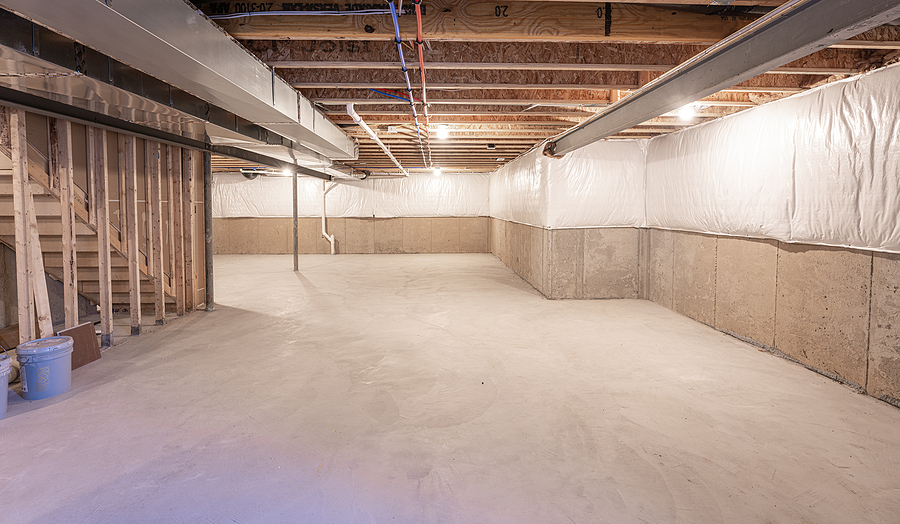
The musty smell was faint at first, near the finished part of the basement, the kind you can explain away. Then it did not go away. The carpet along one wall felt cool to the touch. When they pulled back a corner, the subfloor under it was dark with mold, and the drywall behind it was worse.

The water they had pumped out was the water they could see. A smaller amount had wicked up into the back of the drywall and into the paper facing, where it sat for months in the dark. Finished basements hide this well, because the surface can look and feel normal while the back of the wall stays wet.
Remediation meant removing the carpet and pad along that wall, cutting out affected drywall to a clean line, treating the framing, drying everything to a measured level and rebuilding. In this illustration the total came to $4,200. A moisture meter could have shown the problem in an hour, in July, without cutting into anything. A homeowner in that position would probably say that the water they could see was the easy part.
What a full walkthrough turned up
Once the mold was found, the homeowner asked for a full walkthrough, and it surfaced items that had nothing to do with the carpet but everything to do with the same storm. The sump pump had run nonstop for two days. Its motor was still running, but a pump that labored through a record event is more likely to fail in the next one. A few hairline cracks in the foundation looked wider than in spring, which is common when saturated soil pushes on a wall. The advice was to mark them, photograph them and check again in thirty days.
Outside, a section of driveway had developed new cracks and a slight dip. That usually means the soil beneath washed out, and filling the surface cracks without fixing the base only delays the problem. A basement window well had filled with water, which can compromise the seal around the window. Water-stained trim and soffit areas showed that driving rain had been pushed in behind the exterior boards.

The gutters were the item nobody had looked at. Heavy rain overwhelms even well-maintained systems, and the walkthrough found pulled hangers and a downspout that no longer carried water away from the foundation. A story about a Delmar fascia rebuild that started with a fall gutter cleaning shows how a small gutter problem becomes a larger repair when no one looks.
Documentation, and what can wait
The practical questions that follow are consistent. Photograph everything before it is cleaned up, keep dated records and file within the carrier’s reporting window. Insurers often treat rising flood water and wind-driven rain differently, so being specific about how the water entered helps. Cosmetic work can wait. Moisture, structure and anything that holds water against the house cannot. A useful rule is to ask of each item whether it will get worse by itself over a winter; if the answer is yes, it belongs at the top of the list. A page on emergency home repair services covers the urgent side, and flooring installation and repair covers what comes after a damaged floor has to be replaced.
The same summer, another Delmar household had a different kind of problem after a microburst: a damaged roofline and tree-limb impact. That account, storm damage repair after a July microburst, is a useful comparison.
What to do before winter
Check walls with a moisture meter within a few weeks of any flood, not by looking. Mark cracks and check them again. Look at the gutters and downspouts as part of the same job. And do not wait for a smell. If your home sat through that July storm, even without visible damage, an October check is still worthwhile, because winter freeze and thaw will widen anything still holding moisture.
Careful flood damage repair in Albany, NY is mostly about finding what hid behind the first round of cleanup.
If you’re looking for home repair services in the Albany area, you can reach out here.