

Landlord Turnover Punchlist: Fast Handyman Repair Between Tenants

Vacancy days cost money. A clear punchlist cuts days on market, reduces stress, and keeps your units consistent. This Q&A guide shows you how to move from move-out to move-in with speed and quality, using a practical process and small, high ROI fixes. If you want a reliable partner for tight timelines and small-scale projects, A&S Home Services can help you plan, price, and complete a clean turnover with minimal downtime with handyman repair.
What is a turnover punchlist, and why should you use one?
A turnover punchlist is a short, ordered list of tasks you complete between tenants. It starts when the old tenant gives notice. It ends when the new tenant moves in. The goal is to restore the unit to a clean, safe, rent-ready state fast.
Why it matters
- Vacancy is your largest controllable loss. If rent is 1,800 dollars per month, each day vacant costs about 60 dollars.
- Speed improves listing performance. Fresh photos and quick showings boost applications.
- Consistency reduces disputes. A set process documents condition, charges, and repairs.
Core principles
- Inspect early. Pre-inspect before move-out to plan work.
- Batch tasks. Group similar tasks to reduce setup time.
- Schedule trades. Lock in vendor dates before keys are returned.
- Standardize materials. Use the same paint, caulk, and hardware across units.
How fast should a unit turn over?
Set goals by scope. A clear target drives scheduling and pricing.
| Scope | Examples | Target Days Vacant | Notes |
|---|---|---|---|
| Light refresh | Deep clean, paint touch-ups, caulk, small hardware swaps | 1 to 3 | Pre-schedule cleaners and painter. Show during cleaning when safe. |
| Standard turn | Full paint, minor drywall, LVP plank swap in 1 room, appliance service | 3 to 5 | Stagger trades. Materials ready on day 0. |
| Heavy turn | Multiple rooms of flooring, bath caulk and grout, door replacements | 5 to 10 | Order lead-time items before move-out. Plan for inspection checks. |
| Renovation | Kitchen or bath updates beyond like-for-like | 10 to 21 | Run like a project with permits, milestones, and hold costs tracked. |
What should be on my basic turnover punchlist?

Use a simple sequence. Keep it visible on a clipboard or app. Check off as you go.
Day 0, key exchange and assessment
- Collect keys, fobs, garage openers.
- Walkthrough with move-out checklist and timestamped photos, ceiling to floor, clockwise in each room.
- Test smoke and CO detectors, replace batteries if needed.
- Document appliance model and serial numbers for service calls.
- Shut off ice maker, check water shutoffs, note leaks or drips.
Day 1, make-safe and prep
- Patch holes up to 2 inches. Mark larger patches for next day.
- Scrape and re-caulk wet areas, tub, shower, vanity, kitchen sink.
- Swap burnt bulbs with 3000K LED for uniform color.
- Replace outlet and switch plates if cracked or yellowed.
- Change lock cylinders or rekey per policy.
Day 2 to 3, paint and clean
- Paint high-traffic walls or perform full repaint if needed. Use one neutral color across all units.
- Deep clean kitchen and bath, degrease, descale, sanitize.
- Steam clean or hot-water extract carpets if you keep carpet. Prefer LVP for future turns.
Day 4 to 5, finish and verify
- Install door stops, adjust cabinet hinges, lube locks.
- Test all outlets and GFCIs with a plug-in tester.
- Final walkthrough with checklist, photos, and a short video.
- Stage for photos. Open blinds, lights on, toilet lids down.
When should you schedule handyman repair during turnover?
Schedule early. Aim to book pros one to two weeks before move-out. Confirm again on key day. Late booking leads to longer vacancy and rushed work.
Best times to book
- Pre-move-out, schedule paint, drywall, and caulk work.
- Key day, confirm arrival windows and access instructions.
- After cleaning, schedule any final punch items and walkthrough.
For seasonal needs like weatherproofing or frozen pipe prevention, review a winter checklist and plan your handyman repair slots before temperatures drop.
What can I do before move-out to speed the next move-in?
Work starts before the tenant leaves. Use these steps to gain days.
- Offer a pre-move-out inspection 10 to 14 days before the end date.
- Deliver a cleaning and patch guide to the tenant.
- Order materials using a standard SKU list to avoid store trips.
- Set vendor dates in writing. Share lockbox code and parking notes.
- Open your next listing as “coming soon” with expected ready date.
What are the fastest fixes that increase rentability?
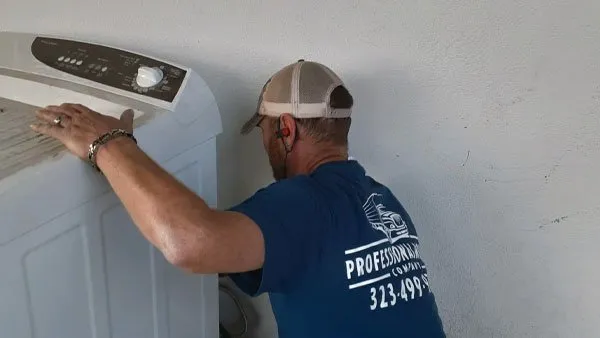
Focus on first impressions, clean lines, and function. These items are quick and have high impact.
- Paint touch-ups on corners and door frames.
- Fresh silicone caulk, bright white, in bath and kitchen.
- Swap yellowed switches and plates for new white ones.
- Install bright, consistent LED bulbs, 3000K or 3500K.
- Replace worn shower head and vanity faucet with simple, durable models.
- Deep clean oven, range hood filter, and fridge gaskets.
- Deodorize carpets and closets. Use an enzyme cleaner for pet odors.
- Exterior sweep and entry touch-up. Clear cobwebs and add a new doormat.
What repairs should never delay rent, and what can wait?
Get the unit safe and clean first. Non-critical upgrades can wait until a later window with tenant notice.
| Do now, before listing | Do soon, after move-in if needed |
|---|---|
| Leaks, dripping supply lines, running toilets | Closet shelf upgrades |
| Smoke and CO detectors, batteries, code compliance | Smart thermostat install |
| Electrical safety, exposed wires, GFCI faults | Backsplash refresh if walls are sound |
| Mold removal, wet drywall, soft subfloor spots | Cabinet hardware style changes |
| Trip hazards, loose stair treads, broken tiles | Window screen replacements if frames are intact |
How do I triage maintenance issues from the move-out inspection?
Sort findings into safety, function, and cosmetics. Assign a due date to each.
- Priority 1, life or property safety. Fix before anyone re-enters. Water leaks, live wires, no smoke detectors.
- Priority 2, function. Fixtures, doors, appliances, and plumbing that limit use of the home.
- Priority 3, cosmetic. Paint, touch-ups, minor scuffs and dings.
Use a board or shared sheet with columns for priority, room, task, owner, cost, status, and date complete.
What tools and materials should I stock for every turnover?
Build a small turnover bin and restock after each job. Standard items avoid mismatches and delays.
Turnover bin checklist
- Paint, one neutral interior, eggshell or satin. Trim semi-gloss. Primer.
- Rollers, 9 inch and 18 inch, roller frames, angled brush, tape, drop cloths.
- Light bulbs, 3000K LED, A19 and BR30. GFCI outlets and standard outlets.
- Outlet and switch plates, white. Cable pass-through plates.
- Silicone caulk for wet areas, paintable latex caulk for trim.
- Spackle, joint compound, putty knives, sanding sponges, corner patch kits.
- Supply lines, toilet flappers, wax rings or rubber seals, fill valves.
- Cabinet bumpers, door stops, slider door guides.
- Multi-bit driver, stud finder, voltage tester, outlet tester, utility knife.
- Cleaning concentrates, degreaser, calcium remover, enzyme deodorizer.
How do I budget and track ROI during turnover?
Track costs by category. Compare to days saved. Use simple math to make decisions fast.
Cost benchmarks
- Full repaint, 2 bed apartment, 1,000 to 1,200 square feet. Often 1 to 2 days, labor and materials vary by market.
- LVP plank replacement, single bedroom, 150 to 300 dollars in materials plus labor based on square footage.
- Deep clean, 150 to 350 dollars, depends on size and condition.
- Minor plumbing, flapper, supply line, P-trap, 50 to 200 dollars in typical parts and labor.
ROI example
If your rent is 2,000 dollars per month, each vacant day costs about 67 dollars. A same-day faucet swap at 180 dollars that avoids a two day delay pays for itself. A cosmetic upgrade that takes three days and adds 25 dollars to monthly rent returns slower. Tie each task to days saved or rent gained.
| Task | Cost | Days Saved or Rent Gain | Decision |
|---|---|---|---|
| Replace failed GFCI | 120 dollars | Safety, required, avoids failed inspection | Do now |
| Accent wall repaint | 150 dollars | No days saved, minimal rent gain | Defer |
| Door hardware match set | 180 dollars | Improves photos and tours | Do if current set is mixed |
Should I DIY or hire a pro for each task?
Use a simple decision path. Time is your constraint. Liability matters.
DIY if
- The task is low risk. Paint, small holes, simple caulk lines.
- You have tools on hand and know the process.
- It fits inside your target timeline without delaying showings.
Hire a pro if
- Electrical beyond outlet and switch replacements.
- Plumbing beyond supply lines, traps, and flappers.
- Drywall patches larger than 4 inches or ceiling texture work.
- Flooring that needs subfloor fixes or transitions.
- Projects that would push your vacancy past target.
Book handyman repair when you need a wide range of small trades in one visit. One truck, one invoice, and fewer scheduling gaps.
How do seasonal factors change the punchlist?
Season affects both demand and maintenance. Adjust tasks to avoid call-backs and claims.
- Winter, check weatherstripping, furnace filter, heat tape on exposed lines in cold zones.
- Spring, clear gutters and downspouts before rain. Inspect grading to move water away.
- Summer, test AC, clean condenser coils, address screens and shade.
- Fall, service furnaces and fireplaces. Check roof and sealants.
Get a seasonal checklist and plan your vendor calendar using this guide on what handyman services you may need during winter. It helps you book ahead and reduce emergency calls.
How should I document move-out and move-in?
Good records reduce disputes and speed chargeback decisions.
- Timestamped photos, wide shots and close-ups, of each room and issue.
- Numbered checklist, keep the same order for move-in and move-out.
- Signed condition form at move-in with notes on existing wear.
- Receipts for materials and labor, attached to work orders.
- Deposit accounting within the legal timeline in your state.
Which small upgrades reduce future damage and labor?
Choose durable, easy to clean materials. They pay off over many turns.
- Install solid vinyl plank flooring in high-traffic areas. It resists water and cleans fast.
- Use satin or eggshell paint on walls, semi-gloss on trim. Easier to clean.
- Add soft-close cabinet dampers to stop slams and loose screws.
- Use silicone in wet areas and paintable caulk on trim for clean lines.
- Add door stops behind every door to protect drywall.
- Replace hollow towel bars with through-bolted hooks that hold weight.
How do I coordinate vendors to reduce downtime?
Overlap tasks where safe. Use a simple sequence to avoid rework.
Sample 5 day schedule
| Day | Morning | Afternoon | Notes |
|---|---|---|---|
| 0 | Keys, inspection, photos | Make-safe fixes, material run | Confirm vendors and access |
| 1 | Drywall patch and sand | Caulk wet areas, swap plates and bulbs | Post coming soon listing |
| 2 | Paint team starts | Finish paint, start deep clean | Show if safe and clean |
| 3 | Cleaner finishes | Fixtures, hardware, cabinet tune | Book appliance tech if needed |
| 4 | Final punch and test | Photos, list live, show | Lease signing window opens |
What quality checks should I run before photos and showings?
Use a repeatable final check. It prevents call-backs and awkward tours.
- Run all faucets, check for drips and adequate flow.
- Flush toilets, watch for slow fill or leaks at base.
- Test every outlet and light switch. Replace dead bulbs.
- Open and close every door and window. Latch smoothly.
- Run appliances. Bake cycle on oven, quick wash on dishwasher.
- Sniff test. Address odors with enzyme or ozone if needed, then ventilate.
- Finger swipe test on ledges and trim to verify cleaning quality.
How do I write a punchy listing that matches the turn?
A clean unit deserves a clear listing. Set expectations that match your standards.
- Lead with benefits. Quiet building, walkable area, on-site laundry.
- State what is new. Fresh paint, updated lighting, cleaned top to bottom.
- List included utilities and parking details.
- Add clear photos in daylight with lights on.
- Set showing windows that match your finish schedule.
How do I set tenant move-in standards to reduce future repair?
Clear policies and simple onboarding reduce wear and emergency calls.
- Provide a welcome sheet with trash days, water shutoff location, and maintenance request process.
- Include a photo-based move-in checklist due within 72 hours.
- Set filters and battery replacement cadence. Offer delivery or credits for compliance.
- Explain what is an emergency versus a standard request.
- Give tips for care. Pan liners, stone cleaner types, plumbing do and do not list.
What metrics should I track for every turnover?
Measure to improve. Keep it simple and publish results to your team.
| Metric | Target | Why it matters |
|---|---|---|
| Days vacant | Under 5 for standard turns | Direct driver of cash flow |
| Labor cost per turn | Set by unit size and condition | Keeps scope aligned with budget |
| On-time completion rate | 90 percent plus | Vendor reliability score |
| Call-back rate within 30 days | Under 5 percent | Quality indicator |
| Material stockouts | Zero | Delays come from missing items |
What does a one-page turnover checklist look like?
Copy this and keep it in your turnover folder. Check off each line. Add notes for chargebacks and warranty info.
- Keys, locks rekeyed, fobs collected
- Photos and video complete
- Safety, smoke detectors, CO detectors, GFCI tested
- Water, no leaks, fixtures tight, toilet flappers and fill valves ok
- Electrical, plates replaced, bulbs matched, fans balanced
- Wall repair and paint per standard color
- Caulk and grout checked and refreshed
- Appliances cleaned and tested
- Floors cleaned, carpet extracted or LVP fixed
- Hardware aligned, doors latch, stoppers in place
- Final clean, finger swipe and sniff test passed
- Listing photos taken and uploaded
How do I avoid scope creep during a tight turn?
Scope creep extends vacancy. Hold the line with a written scope and change control.
- Define finish level before you start. Clean, safe, and neutral.
- Use a not-now list. Good ideas that can wait for a future window.
- Price changes before work begins. Link each change to days and dollars.
- Lock in a stop time each day. Avoid adding micro tasks that push out paint or clean.
Where can I learn more about planning small projects and recurring maintenance?
Build your system with a simple library of checklists and seasonal guides. You can find more practical tips on the A&S blog, including timelines, materials, and small upgrades that cut future labor.
Quick answers to common turnover questions
How many paint colors should I use across units?
Use one wall color and one trim color across all units. This cuts waste and search time. Keep a paint code log.
Should I keep carpet or switch to LVP?
Switch to LVP in high-traffic areas. It cleans faster and reduces odor issues. Use area rugs to soften rooms.
How do I charge for damage?
Use your lease, photos, and invoices to itemize. Charge actual costs as allowed by law. Send the deposit letter on time.
When do I replace versus repair appliances?
Replace units with repeated failures or obsolete parts. Repair when parts are available and cost under half of replacement.
What if I cannot meet my target date?
Communicate early. Offer showing windows around work. List as coming soon with a firm ready date.
Sample materials list and SKUs to standardize
Standard SKUs avoid mismatches. Keep a shared note with hyperlinks to your supplier accounts. Update when items get discontinued.
- Paint, Interior neutral, eggshell, five-gallon bucket SKU.
- Trim paint, semi-gloss white, one-gallon SKU.
- 3000K LED bulbs, A19 60W equivalent, 16 pack SKU.
- BR30 3000K flood bulbs for cans, 12 pack SKU.
- Silicone caulk, bright white, bathroom and kitchen rated.
- Door stops, spring and hinge pin types, 10 pack SKU.
- Outlet and switch plates, white, 10 pack SKU.
- Toilet repair kit, universal fill valve and flapper.
How do I communicate with tenants to reduce surprises?
Clear communication protects timelines and relationships.
- Send a move-out letter 30 days before end date with cleaning and key return steps.
- Offer a pre-move-out walk to review expectations.
- Confirm move-out time. Avoid night drop if possible so you can start work sooner.
- Share showing windows and entry policy with current tenants if you allow showings.
- For new tenants, send a welcome email with utility setup steps and maintenance portal link.
How can technology speed my turnover?
Simple tools can save hours.
- Photo checklist app with timestamps and cloud storage.
- Shared calendar for vendor bookings and access notes.
- Inventory sheet that auto deducts from your turnover bin.
- Online application and screening to fill slots faster.
- Smart locks or lockboxes for vendor access. Rotate codes after each job.
What is the simplest way to build my own punchlist today?
Start with this. Copy, paste, and adapt to your units.
- Set target days vacant for each scope level.
- Create pre-move-out inspection template with photo prompts.
- Standardize paint color and finish. Log codes and suppliers.
- Build a turnover bin with the checklist in this guide.
- Book vendors for your next known turn, confirm dates in writing.
- Run a final quality checklist before photos and showings.
- Track metrics for days vacant, cost, on-time rate, and call-backs.
Why is small-scale work the key to speed and profit?
Small tasks are fast and predictable. They control the look and function of the home. They also reduce emergency calls after move-in.
- Caulk prevents water damage and mold.
- Matched bulbs and plates upgrade photos and reduce complaints.
- Door stops and cabinet bumpers prevent patch work next time.
- Simple faucet and shower head upgrades add value and save water.
What should I include in a vendor work order?
A clear work order saves time and money. Vendors do better work when they know the plan.
- Address, access notes, parking, and lockbox code.
- Scope of work by room with photos.
- Materials provided by landlord versus vendor.
- Budget range and not-to-exceed number.
- Start window and finish deadline.
- Photo proof required for each item completed.
How do I avoid rework during paint and cleaning?
Sequence matters. Paint before deep clean. Caulk after paint on trim, before paint on walls if caulk will be painted. Keep trades off finished floors.
- Cover floors before paint. Remove paper before cleaning.
- Paint from top down. Ceilings, walls, then trim.
- Clean from the back of the unit to the front door.
- Install hardware after paint to avoid smudges.
How does marketing align with your turnover process?
Start marketing as soon as you have a ready date. Use accurate finish dates to build urgency without disappointment.
- Capture photos in daylight after cleaning.
- Set showing windows that do not clash with vendor work.
- Use clear captions to note upgrades and service included.
- Respond to leads within the same day. Speed wins.
Final Q&A: What is the simplest way to avoid delays next time?
Keep a lessons learned note after each turn. Note one thing to stop, one thing to start, and one thing to continue. Update your punchlist and material list after every job.
When your scope is clear and your vendors are set, you can move from keys to photos in days, not weeks. If you need support across small trades in one visit, plan your handyman repair work in advance and set a not-to-exceed budget so the team can move fast.
Summary and next step
This turnover punchlist helps you cut vacancy days, lower stress, and deliver a clean, safe, consistent home every time. Book vendors early, stock standard materials, and track a few key metrics. If you want a reliable crew that shows up on time and handles multi-trade work in a single visit, talk to A&S Home Services and get your next unit rent-ready on schedule.