

Are 2011 Smoke Alarms Still OK, or Is It Time for Smoke Detector Replacement in Albany, NY?
The situations described here are composites drawn from the types of jobs and decisions we encounter regularly. Names and specific figures are illustrative.
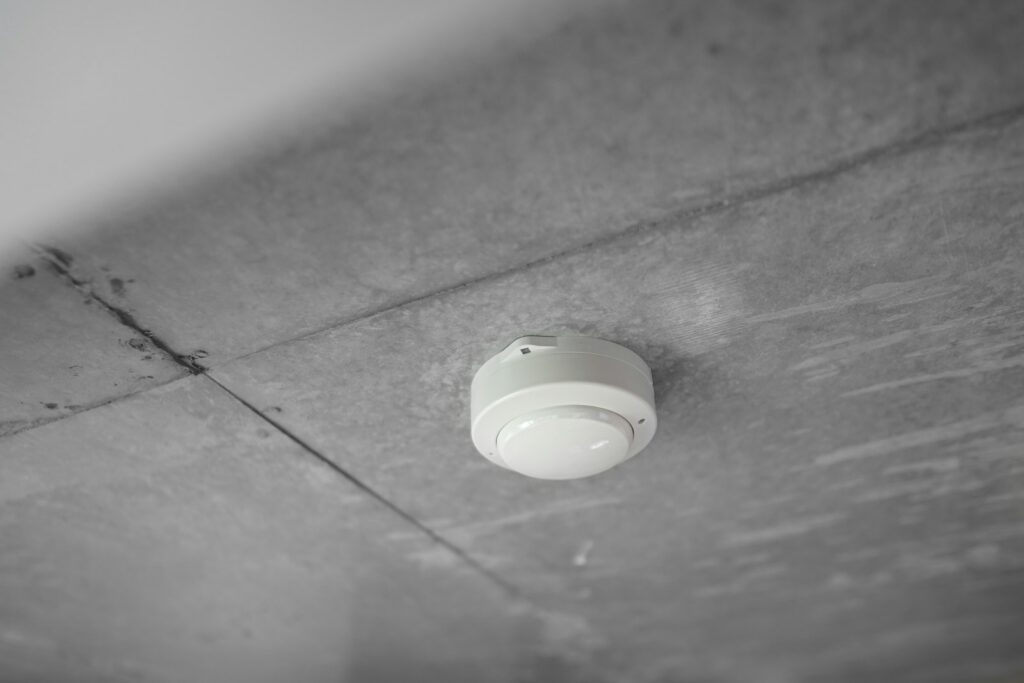
A 1970s ranch in Guilderland had four battery smoke alarms: one in the hallway, one near the kitchen, one in the living room and one in the basement. All four had a 2011 manufacture date on the back, which made them 15 years old. There were none inside the three bedrooms, and the house had no carbon monoxide alarm even though the furnace and water heater both burn natural gas. The homeowner wanted fresh 9-volt batteries before the clocks changed. The fact that turned it into a smoke detector replacement in Albany, NY job instead is simple: smoke alarms are meant to be replaced 10 years from the date they were made, no matter how good the battery is[1].
What the date on the back actually means
Most people never take an alarm off the ceiling except to change the battery, and even then they do not turn it over. The manufacture date is printed on the back or side of the unit, and the replacement clock starts from that date, not from the day it went up[2]. An alarm that sat in a drawer for a year before it was installed is already a year into its life.
On this house, the homeowner was surprised. Every alarm still beeped when the test button was pressed. That is a common misunderstanding. The test button checks the horn and the circuit. It does not tell you how well a 15-year-old sensor would pick up real smoke. The U.S. Fire Administration’s guidance is the same for 9-volt alarms and hardwired alarms: test monthly, change the battery at least once a year, and replace the whole alarm every 10 years[1]. The 10-year rule is not tied to whether the unit still makes noise.
The Firemen’s Association of the State of New York, based in Albany, puts the stakes plainly. Its numbers are that working smoke alarms cut the risk of dying in a home fire by half, and that two-thirds of home fire deaths happen in homes with no smoke alarms or alarms that do not work[2]. A 15-year-old alarm with a new battery is closer to the second group than most owners would guess.
Why the 9-volt batteries were not an option anymore
The homeowner’s first thought was to buy four new alarms of the same kind, the ones with a battery door. In New York that choice mostly went away. State law says any smoke alarm sold that runs only on batteries has to use a non-removable battery designed to power the unit for at least ten years[3]. The same law does not apply to alarms that get their power from the house wiring[3], which is why hardwired alarms still have a replaceable backup battery.
For a battery-only house like this one, the sealed units are less work for the owner. There is no yearly battery change and no chirp at two in the morning when a 9-volt runs low. The tradeoff is that when the unit reaches the end of its life, the whole alarm comes down. You do not get to stretch it another year with a fresh battery, and that is the point.
Here is how the three options looked when they were laid out side by side. The prices are what this particular job came to, not a published average.
| Option | What it covered | What it left open | This job (illustrative) |
|---|---|---|---|
| New 9-volt batteries only | Quieted the low-battery chirp | Four alarms 5 years past replacement, no bedroom alarms, no CO alarm | About $15 in batteries |
| Swap the same four locations | New sealed 10-year alarms where the old ones were | Bedrooms and CO still uncovered | About $190, parts and an hour of labor |
| Full replacement plus bedrooms and CO | Seven sealed smoke alarms and one CO alarm | Alarms not interconnected | About $390, parts and two hours of labor |
Where the alarms were, and where they needed to be
The old layout was typical of a house that has been through a few owners. Someone put alarms in the open areas decades ago, and nobody added more when the bedrooms changed hands. Current guidance calls for an alarm inside each bedroom, outside each separate sleeping area, and on every level of the home, basement included[1]. The hallway alarm covered the “outside the sleeping area” spot. The bedrooms had nothing.
The carbon monoxide side was a separate question. New York’s rules for one- and two-family homes built before 2008 require a CO alarm on the lowest story that has a sleeping area, and battery-operated or plug-in units are allowed[4]. The alarm is only required if there is a carbon monoxide source in or attached to the building[4]. The state’s own rulemaking lists fuel-fired appliances such as natural gas equipment, and cars running in enclosed garages, as common causes of high CO levels[4]. This ranch had a gas furnace, a gas water heater and an attached garage, so it clearly needed one. In a single-story ranch with bedrooms on the main floor, the CO alarm went in the bedroom hallway.
| Location | Before | After |
|---|---|---|
| Three bedrooms | None | One sealed 10-year smoke alarm in each |
| Bedroom hallway | 2011 battery smoke alarm | Sealed smoke alarm plus a CO alarm |
| Living room and kitchen area | Two 2011 battery smoke alarms | Two sealed smoke alarms, kitchen unit moved farther from the range |
| Basement | 2011 battery smoke alarm | Sealed smoke alarm |
The kitchen alarm was the one the family had been taking down when it went off during cooking. That habit is worth breaking. Fire Administration guidance is to never pull the battery while cooking, and to move the alarm farther away from the kitchen if it keeps sounding[1]. Moving it a few feet down the ceiling solved the nuisance without leaving the room uncovered.
The hardwired question that came up at the decision point
Once the homeowner saw seven smoke alarms on the list, the next question was whether they should all be hardwired and connected so that one going off sets off the rest. It is a fair question. Interconnected alarms are what the Fire Administration recommends, and it also says only qualified electricians should install hardwired alarms[1]. In a ranch with finished ceilings and no existing alarm wiring, that means running new cable to every location, which is a licensed electrician’s job and a different budget.
“If you want hardwired alarms and that means running new wire, I tell you on the same call and refer that part to a licensed electrician. Battery alarms and a plug-in or battery CO alarm are things I can quote and install myself.”
Alex Sandul, Owner, A&S Home Services
The homeowner chose the sealed battery units now and put the hardwired upgrade on a list for when the bedrooms get repainted and the ceilings are open anyway. That is a reasonable order of work. A house with seven working sealed alarms today is better covered than a house waiting on a wiring project that may be a year out. Our earlier piece on which electrical fixes a handyman can legally do in New York goes further into where that line sits.
What people usually ask at this point
The first question is almost always whether the house is “out of code” with old alarms. For an existing house that is not being sold or renovated, the more useful way to think about it is whether the alarms will work when needed. The New York sealed-battery law applies to what stores can sell, not to alarms already on your ceiling[3]. The 10-year replacement guidance is about the sensor wearing out[1], and that happens whether or not anyone inspects the house.
The second question is about CO alarms that combine with smoke alarms. They exist, and they can make sense in a hallway outside bedrooms. In this house, a separate CO unit was used so that the smoke alarms in the bedrooms and the CO alarm in the hallway could each be placed where they belonged. Whatever model is used, New York requires CO alarms to be listed to UL 2034 or the Canadian equivalent[4], so the label on the package is worth checking.
The third question is how the owner will remember to do this again. The answer on this job was a strip of painter’s tape inside the basement panel door with the install month and year written on it, and the dates on the back of each new unit. The alarms still need the monthly test button[1]. They no longer need the yearly battery.
If the alarms in your house are part of a larger list of fall safety checks, our Albany homeowner’s safety blueprint covers the rest of the house. And if a CO alarm ever sounds and does not stop, that is not a handyman call. Our emergency services page spells out that a CO alarm means calling 911 first.
How the job ended up
The work took about two hours. The old alarms came down, the mounting plates were swapped for the new units’ plates, three new spots were laid out in the bedrooms, and the kitchen alarm was moved. Each new alarm was tested in place, and the CO alarm was tested and set on the hallway ceiling per the maker’s instructions. The four 2011 alarms went into a bag for the homeowner to dispose of according to the instructions on the new units’ packaging.
The homeowner’s one regret was not having checked the dates years earlier. The house had been running on alarms past their service life since 2021. Nothing happened in that time, and that is usually how it goes, which is why the problem stays invisible. The chirp of a dead 9-volt gets attention. A 15-year-old sensor with a fresh battery does not.
Not every house needs seven alarms and a CO unit. A newer house with hardwired, interconnected alarms may only need the backup batteries changed and the units replaced when they hit their date. A house with electric heat and no attached garage may have no CO source at all[4]. The useful step for most Capital Region owners this fall is the same one this homeowner took by accident: take one alarm down and read the back.
What this job comes down to
The battery change the homeowner asked for would have cost less and left the house exactly as exposed as before. The full swap cost more, but it was a one-time cost for the next decade, and it closed the two gaps that mattered most: bedrooms with no alarms and a gas furnace with no CO alarm. If your alarms are past their date, smoke detector replacement in Albany, NY is usually a short visit, and the harder part is deciding where the new ones should go.
If you are looking for help with this or other small jobs around the house, you can see our handyman services in the Capital Region here.
Sources
- Smoke Alarms, U.S. Fire Administration (FEMA)
- FASNY urges residents to replace smoke alarms every 10 years, Firemen’s Association of the State of New York
- N.Y. General Business Law Section 399-CCC: Smoke detecting devices, New York State Legislature (via New York Public Law)
- Installation of Carbon Monoxide Alarms in Residential Buildings (Amanda’s Law rule), NYS Register, November 10, 2010, New York Department of State (hosted by NYS Department of Health)