

Upstate NY Home Repair Services: From Small Fixes to Big Projects

Summary
- Learn simple DIY skills to cut costs and prevent damage.
- Know when professional help protects safety and value.
- Use clear checklists, tables, and charts for fast decisions.
- Albany-focused pricing, timelines, and tool guidance.
Upstate NY Home Repair Services: From Small Fixes to Big Projects
Owning a first home in Albany feels exciting and stressful. You face leaks, stuck doors, and strange sounds from pipes or vents. You want fast answers and clear steps. You also want to avoid mistakes that lead to bigger bills.
Basic DIY skills matter. You stop small problems early. You save trips and fees. You speak with contractors with more confidence. You set a safer home for your family.
When a fix goes beyond basic tools or comfort level, searching for a reliable Handyman Near Me gives you access to safe, fast help from someone who understands local building styles and common Albany home issues. A skilled tech can diagnose problems quickly, prevent hidden damage, and complete tasks that require precision or proper permitting.
Some repairs need pros. Live wires, gas lines, structural support, roof issues, and plumbing inside walls pose risk. Hiring the right help protects life, property, and resale value. If you need trusted support in Albany, A&S Home Services serves homeowners across Upstate NY with prompt, reliable work.
Why Learning Basic DIY Skills Matters
Simple skills pay off. You avoid water damage, prevent mold, and keep heat inside during winter. You also cut waiting time for busy schedules. Albany winters test homes. Simple steps reduce stress.
- Faster response. Shut off water in seconds during a leak.
- Lower costs. Fix a running toilet for under $25 in parts.
- Better results. Prep surfaces so paint lasts longer.
- Safer choices. Know when a task involves risk.
- Smarter hiring. Explain problems clearly and set scope.
Numbers help. A one-hour leak from a 1/8 inch supply line releases 3 to 10 gallons. Hardwood buckles fast. Drywall soaks water and sags. A simple shutoff stops the damage while you plan repairs.
10 Essential DIY Skills Every Homeowner Should Learn
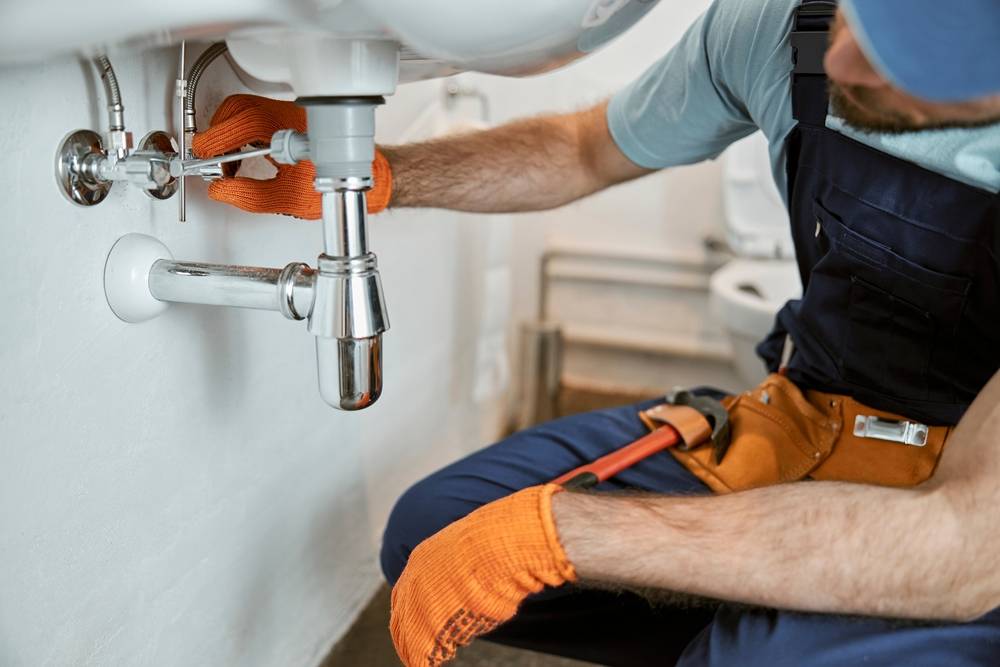
1) Find and Use Main Shutoffs for Water, Gas, and Power
Emergencies move fast. Know how to cut water, gas, and power. Map each shutoff now, not during a flood or spark.
Steps:
- Locate the water main near the meter or where the line enters the house.
- Turn the valve clockwise to close. Quarter-turn valves align perpendicular to the pipe when closed.
- Find the electrical main breaker in the service panel. Switch to OFF.
- Locate the gas shutoff at the meter. Use a wrench to turn the valve a quarter turn so the slot sits crosswise to the pipe.
- Label each shutoff. Share with family members.
Common errors:
- Forgetting to test fixtures after shutoff.
- Leaving tools in a hard-to-reach spot.
- Not labeling the panel breakers.
DIY safe when: You practice and label during calm moments.
Call a pro when: Valves seize, leaks persist after shutoff, or panel shows heat or burn marks.
| Item | Time to Learn |
|---|---|
| Water main shutoff | 10 minutes |
| Main breaker | 5 minutes |
| Gas shutoff | 5 minutes |
2) Fix a Running Toilet
Running toilets waste water and raise bills. The fix often involves a flapper or fill valve.
Steps:
- Shut water at the toilet stop valve.
- Remove tank lid.
- Check flapper seal. Replace if warped or brittle.
- Adjust chain slack so flapper seals fully.
- If noise continues, replace fill valve per kit instructions.
Common errors:
- Overtightening plastic nuts.
- Wrong flapper size.
- Skipping thread tape on supply connection where needed.
DIY safe when: No cracks in the tank and shutoff works.
Call a pro when: Valve threads strip, tank bolts leak, or shutoff fails.
| Part | Typical Cost |
|---|---|
| Flapper | $6 to $12 |
| Fill valve | $12 to $35 |
| Supply line | $8 to $15 |
3) Patch Small Drywall Holes
Small holes and dents look rough and lower buyer confidence. A clean patch improves walls fast.
Steps:
- Lightly sand around the hole.
- Apply patch kit or mesh tape.
- Spread joint compound thinly. Feather edges.
- Dry fully. Sand smooth. Repeat thin coats as needed.
- Prime and paint.
Common errors:
- Thick coats that crack or telegraph through paint.
- No primer before paint.
- Skipping sanding between coats.
DIY safe when: Holes under 4 inches and no moisture issues.
Call a pro when: Large holes, sagging ceilings, or signs of water damage or mold.
| Hole Size | Approach |
|---|---|
| Pinhole to 1 inch | Spackle only |
| 1 to 4 inches | Mesh patch + compound |
| Over 4 inches | Cut-back and backer board |
4) Unclog a Slow Drain
Hair and soap build up in sinks and tubs. Start with safe methods before harsh chemicals.
Steps:
- Remove stopper. Pull debris with a hair snake or zip strip.
- Flush with hot water.
- For traps with gunk, place a bucket and remove the P-trap to clear.
- Reassemble. Check for leaks.
Common errors:
- Overuse of caustic cleaners that damage pipes or finishes.
- Cross-threading P-trap nuts.
- Forgetting trap washers.
DIY safe when: Slow drainage from hair or soap and no sewer smell.
Call a pro when: Multiple fixtures clog at once or sewage backs up.
| Tool | Typical Cost |
|---|---|
| Hair snake | $5 to $10 |
| Pliers or channel locks | $15 to $25 |
5) Replace a Light Fixture Safely
Old fixtures fail or look dated. A simple swap improves light and style. Work with power off only.
Steps:
- Switch off the circuit at the breaker. Test with a voltage tester.
- Remove the old fixture and support the weight.
- Match wires: black to black, white to white, ground to ground.
- Use wire nuts and tuck wires neatly.
- Mount the new fixture to a rated box. Install bulbs and cover.
Common errors:
- Working on a live circuit.
- Loose connections that heat up.
- Mounting to a box not rated for fixture weight.
DIY safe when: Existing wiring looks intact, no aluminum wiring, and the box is rated for the fixture.
Call a pro when: New wiring runs, aluminum wiring, damaged insulation, or recessed cans involved.
| Fixture Type | DIY Difficulty |
|---|---|
| Flush mount | Low |
| Pendant | Low to Medium |
| Chandelier | Medium to High |
6) Weatherstrip Doors and Windows
Air leaks waste heat in Albany winters. Simple seals reduce drafts and energy use.
Steps:
- Inspect with a smoke source or by feel on a windy day.
- Measure gaps. Select foam, V-strip, or door sweeps.
- Clean surfaces. Install strips straight and tight.
- Adjust strike plates or hinges if doors rub.
Common errors:
- Cheap foam that peels quickly.
- Door sweeps set too low, causing drag.
- Skipping surface cleaning before sticking strips.
DIY safe when: Gaps are minor and frames are sound.
Call a pro when: Rot, warped frames, or ice dams signal bigger issues.
| Item | Typical Cost |
|---|---|
| Foam weatherstrip (roll) | $5 to $12 |
| Door sweep | $12 to $25 |
| Silicone V-strip | $8 to $20 |
7) Caulk Tubs, Sinks, and Backsplashes
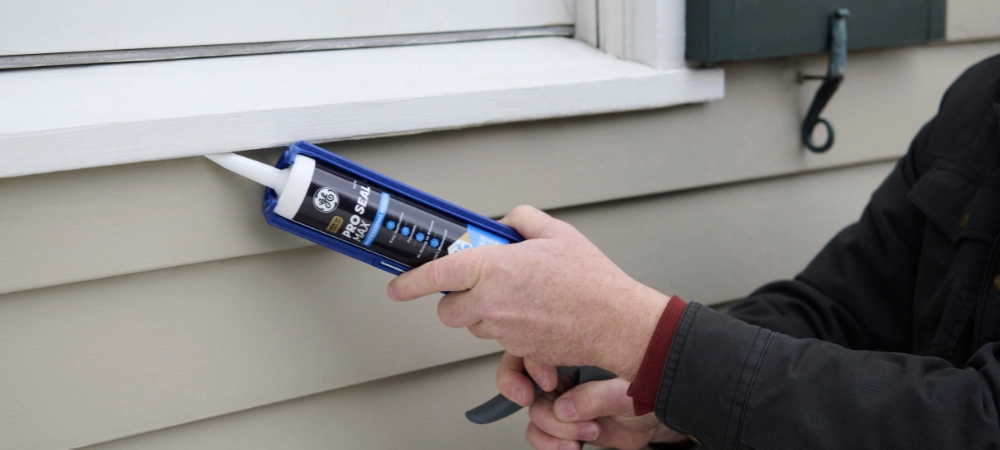
Fresh caulk stops leaks and mold. Clean lines also lift the look of kitchens and baths.
Steps:
- Remove old caulk with a scraper and softener gel.
- Clean with rubbing alcohol. Dry fully.
- Cut the tube tip small. Apply a steady bead.
- Tool the bead with a caulk tool or finger dipped in water.
- Let cure per instructions before contact with water.
Common errors:
- Using the wrong caulk type. Use 100 percent silicone in wet areas or a quality hybrid.
- Applying over damp or dirty joints.
- Thick beads that crack.
DIY safe when: Joints are intact and surfaces are dry.
Call a pro when: Water leaks under fixtures or mold spreads behind walls.
| Area | Caulk Type |
|---|---|
| Tub and shower | 100% silicone or hybrid |
| Backsplash | Paintable acrylic-latex |
8) Prep and Touch Up Interior Paint
Strong prep leaves smooth walls and longer-lasting paint. Touch-ups keep rooms fresh.
Steps:
- Clean surfaces to remove dust and grease.
- Fill holes and sand smooth.
- Prime patches to prevent flashing.
- Use the same sheen and batch if possible.
- Feather edges with a small roller.
Common errors:
- Skipping primer on patches.
- Mismatched sheen causing dull or shiny spots.
- Painting in high humidity.
DIY safe when: Rooms have no moisture or mold problems.
Call a pro when: Lead paint risk exists in houses built before 1978 or extensive repairs are pending.
| Sheen | Use |
|---|---|
| Flat | Ceilings, low-traffic walls |
| Eggshell/Satin | Living rooms, bedrooms |
| Semigloss | Kitchens, baths, trim |
9) Rehang or Adjust Interior Doors
Sticky doors annoy daily life. Simple hinge and strike adjustments fix most problems.
Steps:
- Tighten hinge screws.
- If screws spin, use longer screws into the stud.
- Plane the rub spot lightly if needed.
- Adjust the strike plate position.
Common errors:
- Over-planing.
- Stripping hinge screws.
- Misaligned latch after adjustments.
DIY safe when: Rubs are minor and frames look square.
Call a pro when: Door frames are out of plumb or show cracks.
| Problem | Likely Fix |
|---|---|
| Top rubs | Tighten top hinge or add long screw |
| Bottom rubs | Plane slightly or adjust bottom hinge |
| Latch misaligns | Move strike plate |
10) Clean Gutters and Inspect Downspouts
Albany leaves and ice load gutters. Clean flow prevents ice dams and foundation leaks.
Steps:
- Use a stable ladder with a spotter.
- Remove debris by hand or with a scoop.
- Flush with a hose. Check for leaks at seams.
- Extend downspouts 4 to 6 feet from the foundation.
Common errors:
- Leaning ladders on weak sections.
- Leaving outlets clogged at the elbow.
- Ignoring loose hangers.
DIY safe when: Single-story access and safe footing.
Call a pro when: Two-story heights, steep grades, or damaged fasteners.
| Season | Action |
|---|---|
| Late fall | Clean after leaves drop |
| Early spring | Check for winter damage |
When DIY Creates Problems
Some mistakes introduce risk and cost. Review these common traps.
| Task | Common Mistake | Risk | Added Cost Range |
|---|---|---|---|
| Electrical fixture swap | Loose wire nuts | Heat, arc, fire | $200 to $1,500 |
| Toilet repair | Cross-threaded supply | Leak, floor damage | $150 to $2,000+ |
| Drywall patch | Thick compound | Cracks, texture mismatch | $150 to $600 |
| Gutter cleaning | Unsafe ladder use | Injury | Medical bills |
| Weatherstripping | Wrong material | Persistent drafts | $50 to $300 |
Cost and Value Comparison of DIY and Professional Work
Albany homeowners weigh time, cost, and risk. Use the tables below to plan.
Typical Albany Cost Ranges
| Project | DIY Cost | Pro Cost | Notes |
|---|---|---|---|
| Running toilet repair | $12 to $50 | $120 to $250 | Parts only vs labor 1 to 2 hours |
| Drywall patch small | $15 to $40 | $150 to $400 | Better texture match with a pro |
| Light fixture swap | $0 to $25 | $125 to $300+ | Excludes fixture cost |
| Weatherstripping door | $12 to $30 | $90 to $180 | Includes door sweep and strip |
| Gutter cleaning, 1-story | $0 to $30 | $100 to $180 | Safety and reach drive cost |
Time vs Money
- Time value example: If your personal rate equals $35 per hour, a two-hour repair equals $70 of your time. Compare with pro rates below.
- Typical Albany handyman hourly rate: $85 to $150 including trip.
- Licensed trade rates in Albany: Electricians $120 to $180 per hour. Plumbers $120 to $180 per hour.
Tool Cost Overview
| Tool | One-Time Cost | Useful For |
|---|---|---|
| Voltage tester | $15 to $30 | Electrical safety |
| Stud finder | $20 to $50 | Mounting, shelves |
| Cordless drill/driver | $60 to $180 | Fastening, drilling |
| Basic hand tools set | $80 to $150 | General repairs |
| Caulk gun | $8 to $20 | Sealing joints |
Warranty and Callbacks
- Pros stand behind labor. Many offer 6 to 12 months on workmanship.
- DIY has no labor warranty. You absorb return trips.
- Warranties reduce long-term cost when issues return.
Resale Value Impact
- Clean finish work improves buyer trust.
- Documented professional repairs add credibility during sale.
- Permitted electrical or structural work protects appraisal and insurance.
Mini Trend Line: Local Hourly Rates
Albany average handyman hourly rates over recent years:
Year: 2019 2020 2021 2022 2023 2024
Rate:  $80  $85  $95  $110 $120 $130
Trend: o---o----o-----o-----o-----o
Seasonal demand raises rates during late fall and early spring. Early booking helps secure better scheduling.
How Home Repair Services Help First-Time Homeowners
Professional support reduces risk and speeds results. You get targeted repairs with the right tools and methods.
- Safety. Licensed pros manage shocks, gas leaks, roof falls, and mold exposure.
- Accuracy. Diagnostics address root causes, not symptoms.
- Speed. A trained tech finishes in hours what takes days for a beginner.
- Better tools. Pros use testers, extractors, and saws that deliver clean results.
- Code compliance. Work follows Albany codes and inspection needs.
For Albany homeowners who need reliable support, explore home repair services to handle tasks with safety and care.
When To DIY and When To Hire Help
Use this checklist to decide fast.
- Is life or property at risk if something goes wrong?
- Does the task involve electrical, gas, or structure?
- Do you own the right tools and safety gear?
- Do you have clear steps from a trusted source?
- Do you have time to finish today?
- Will a mistake cost more than a pro visit?
Decision Flow
Start
 |
 |-- Emergency water, gas, power? --> Shut off --> Call pro
 |
 |-- Electrical or gas work? -------> Hire pro
 |
 |-- Structural, roof, or height? --> Hire pro
 |
 |-- Clear steps and tools on hand? --> DIY small
 |
 |-- Unsure about scope? ----------> Get quote, decide after
Albany storms stress roofs, windows, and sump systems. Review this guide for weather prep: Storm-Proofing Upstate NY Homes. Plan before heavy wind or freeze arrives.
Long-Term Maintenance and Resale Value
Routine upkeep avoids big repairs and keeps buyers confident. Small checks add up to strong value over time.
Maintenance Timeline
| Frequency | Tasks |
|---|---|
| Monthly | Test GFCI outlets, inspect sink traps, check sump pump, change HVAC filter as needed |
| Quarterly | Vacuum refrigerator coils, test smoke and CO alarms, run water in seldom-used fixtures |
| Biannual | Gutter cleaning, roof binocular check, window and door seals, water heater flush |
| Annual | Exterior paint touch-ups, deck inspection, caulk refresh in wet areas, HVAC service |
Resale Value Drivers
- Water-tight envelope. Dry basements and clean gutters signal care.
- Working fixtures. Smooth doors, quiet toilets, safe lighting.
- Documented repairs. Receipts and dates build buyer trust.
Review homeowner tips and seasonal checklists here: A&S Home Services Blog. For larger lists or punch items, professional home repair services keep projects on track and aligned with local codes.
FAQs for First-Time Homeowners
How do I find my main water shutoff?
Look where the service line enters the house. Common spots include the basement near the front wall or utility area. Label the valve once found.
What tasks should a beginner avoid?
Avoid any work on live electrical, gas lines, roofing at height, and structural changes. Hire licensed trades for these areas.
How often should gutters get cleaned in Albany?
At least twice per year. Late fall after leaf drop and early spring before heavy rains.
Is a running toilet urgent?
Yes for water bills and leaks. A slow leak also risks subfloor damage. Replace worn parts soon.
When does paint need primer?
Use primer on patches, bare wood, water stains, or when switching from dark to light colors.
What documents help during resale?
Keep receipts, photos, and contractor details with dates. Include permit records for electrical or structural work.
Conclusion
Smart DIY keeps your Albany home safe and efficient. Learn basic shutoffs, simple fixes, and seasonal tasks. For complex work involving risk, bring in trusted help. Skilled pros protect your home, time, and resale value. If you need a reliable partner for small jobs or large projects, reach out to A&S Home Services for prompt support across Upstate NY.
fluconazole 150 mg tablet
fluconazole 150 mg tablet
cialis 20mg price
cialis 20mg price