

What Can a Handyman Do on My Basement in Albany, NY?
Summary
- Understand which basement tasks a handyman can legally perform in New York
- Know when structural, electrical, or foundation work needs a specialist
- See typical Albany basement issues and practical fixes that make sense
- Compare costs, timelines, and value between small upgrades and full remodels
- Use a decision table and checklist to plan your next steps confidently
Introduction
Basements in Albany and across the Capital Region span every condition: dry and ready for storage, decades-old semi-finished rooms, or damp spaces that need attention before you can do anything useful with them. Many homeowners wonder where a handyman fits in—especially when a project is bigger than a simple patch but smaller than a full remodel. That’s a fair question in our climate, where water and winter put every material to the test.
We write from the perspective of doing this work here, in real Albany homes. At A&S Home Services, we’ve seen how targeted fixes—done in the right order—turn a basement from “avoid it” to “use it.” Below, we break down what’s realistic for a handyman, what needs a licensed trade, and how to decide based on your basement type, moisture, and goals.
What work can a handyman legally and effectively do in New York basements?
In New York State, a handyman focuses on non-structural, non-permitted maintenance and light improvements. Local code and permit rules still apply, and your municipality may be stricter. In Albany, routine repairs and cosmetic upgrades often fall in the handyman zone, while new systems or structural changes typically do not.
Common handyman-appropriate basement jobs
- Framing repairs that are non-structural (sistering a stud, replacing a non-load-bearing partition)
- Drywall repairs and new drywall on existing non-structural walls
- Insulation in rim joists and walls where no vapor or fire barrier code issues are triggered
- Flooring installation: LVP/laminate, tile, or carpet tiles over suitable substrates
- Basic lighting fixture swaps and bulb-to-LED conversions on existing circuits
- Dehumidifier setup, weatherstripping, and minor air-sealing
- Waterproofing assessments and surface-level mitigation (e.g., sealing cracks with cementitious products, re-caulking penetrations)
- Trim, doors, shelving, storage, and stairs tune-ups
Jobs that usually require licensed trades or permits
- Structural changes: moving or adding load-bearing walls, beam work, or altering supports
- Electrical upgrades: new circuits, panel work, adding outlets, recessed lighting layouts
- Plumbing: new drains, relocating lines, or sump system re-piping
- Foundation repair or extensive waterproofing systems (interior French drains, exterior excavation)
- Egress window installation or any change affecting means of egress
When you see language like “new,” “relocate,” or “structural,” assume permits and licensed specialists may be involved. A handyman can still contribute by preparing the space, coordinating minor finishes, and handling follow-up tasks.
What our team typically handles in Albany basements
Our most common basement tasks in the Capital Region line up with practical fixes that make spaces dryer, brighter, and usable without the cost of a full renovation.
- Flooring: LVP or tile over a moisture-appropriate underlayment, re-leveling small low spots, and transitions
- Insulation: Rim joists and exterior walls (code-appropriate materials, sealed edges to limit humid air infiltration)
- Framing repairs: Non-structural studs, blocking for shelving, straightening bowed non-load-bearing walls
- Drywall: Patch and paint, replace moisture-damaged sections, or finish walls on existing framing
- Waterproofing assessments: Identify sources, seal hairline cracks, and recommend dehumidification or specialist steps if needed
- Lighting updates: Swap fixtures, add LED shop lights on existing outlets, improve reflectance with lighter paint
If you want a deeper dive into typical task boundaries, this overview of a complete guide to handyman services is helpful. For basement-specific questions, see our take on whether a handyman can handle basement repairs safely and effectively.
Albany-area basement types and what usually goes wrong
Unfinished basements
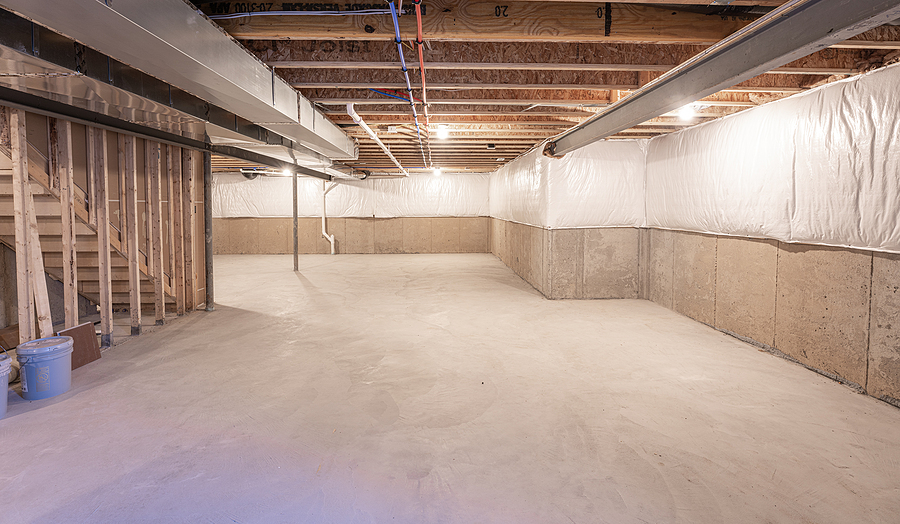
Typical issues: bare concrete, small seepage lines after heavy rain, air leaks at rim joists, poor lighting. Practical fixes: seal cracks, insulate the rim, dehumidify, and add resilient flooring squares in storage zones.
Semi-finished basements
Typical issues: older paneling over 2×2 furring, musty carpet, low ceiling lights, mixed materials from past DIY. Practical fixes: remove moisture-trapping materials, replace with drywall and LVP, and improve ventilation.
Aging finished basements
Typical issues: minor settlement cracks, past moisture stains, failing ceiling tiles, squeaky stairs. Practical fixes: targeted wall repairs, paint with moisture-tolerant coatings, new drop tiles or drywall ceilings (on existing framing).
Dry basements
Typical issues: dated finishes, under-utilized space. Practical fixes: cosmetic updates and organization to prepare for resale or create a flexible hobby area.
Decision-making table: Can a handyman do it?
| Task | Handyman? | Notes / Permit Factors |
|---|---|---|
| Seal small wall cracks, paint, patch drywall | Yes | Cosmetic scope; address moisture source first |
| Replace damaged non-structural studs | Yes | Verify wall is not load-bearing |
| Install LVP or tile over concrete | Yes | Test moisture; use correct underlayment |
| Swap light fixtures on existing boxes | Yes | No new wiring or circuits added |
| Add new outlets or recessed lighting | No | Licensed electrician; likely permit |
| Insulate rim joists and exterior walls | Maybe | Material/fire barrier rules apply; check code |
| Install egress window | No | Structural opening; permit and specialist |
| Interior French drain or sump re-piping | No | Foundation/plumbing contractor |
| Build a new non-structural room | Maybe | Layout, egress, and permits determine scope |
Cost and convenience: Handyman vs. multiple specialists
On smaller scopes, a handyman can be more cost-effective and faster to schedule. On complex scopes, a specialist is safer and often required by code. Here’s how choices typically break down in Upstate NY homes.
Common handyman-task ranges in Albany (labor only, ballpark)
- Drywall patching and paint touch-ups: $150–$600 per area
- New drywall on existing walls: $2.00–$3.50 per sq. ft.
- LVP flooring install: $2.00–$4.00 per sq. ft. (subfloor prep extra)
- Tile install (basic): $8.00–$15.00 per sq. ft. (prep and layout affect cost)
- Rim-joist insulation: $5.00–$8.00 per linear foot (material-dependent)
- Fixture swaps: $85–$175 per fixture (no new wiring)
Specialists become cost-competitive when the task requires their license anyway—like adding circuits, fixing foundation water, or cutting an egress. In those cases, bringing a handyman alongside to handle demolition, finishes, and punch-list items keeps the total timeline cleaner and avoids gaps between trades.
Timeline expectations for Albany basements
- Moisture assessment and sealing minor cracks: 2–6 hours plus drying time
- Rim-joist insulation and air sealing: 0.5–1.5 days depending on access
- Drywall repairs: 1–3 visits due to compound curing (total 1–2 days on site)
- LVP flooring in a 300 sq. ft. area: 1–2 days with basic prep
- Light fixture swaps (4–6 fixtures): half day
- Small non-structural room build-out: 3–7 days, plus inspections if permits apply
Albany humidity and winter temperatures affect drying and curing. Water-based products may need longer between coats. We plan for that to avoid peeling or bubbling later.
Common DIY efforts that go wrong in basements
- Covering moisture issues with finishes instead of solving them first
- Installing vapor barriers on the wrong side, trapping moisture in the wall
- Using standard drywall or MDF near floors that see occasional dampness
- Floating click flooring over a slab that wasn’t moisture-tested
- Under-sizing dehumidifiers or skipping drain setups
- Adding electrical without permits or GFCI protection
The fix often costs more than doing it right the first time. In the Capital Region, water finds its way in during spring thaw and summer storms. Materials must be chosen and installed with that in mind.
How water, humidity, and old materials change the plan locally
Albany basements deal with clay soils, freeze-thaw cycles, and humid summers. That means:
- Expect hairline cracks to appear and reappear—monitor, then seal when stable
- Plan for dehumidification set to 50–55% RH during the warm season
- Favor moisture-tolerant finishes: LVP, tile, PVC trim, cement board where needed
- Prime and paint with products suitable for masonry and occasional damp
- Upgrade lighting to LED for cooler operation and lower humidity impact
Older basements often have mixed-era materials: paneling over block, fiberboard tiles, or carpet glued directly to concrete. We remove what holds moisture, then rebuild with breathable layers and clear capillary breaks.
When to choose targeted handyman work vs. a full remodel
Stay targeted when:
- The basement is basically dry with isolated cosmetic issues
- You need storage upgrades, better lighting, and fresh finishes
- You’re preparing for sale and want clean, functional space
- Budget or timing won’t support multi-trade coordination
Consider a full remodel when:
- You need new rooms that require egress or added electrical
- There’s recurring water that calls for drains, regrading, or foundation work
- Ceiling heights or layouts must change to meet habitable-room code
- You want a code-compliant living space with inspections and permits
In many Albany homes, a hybrid approach works: a specialist handles the code-heavy work while a handyman completes finishes. It keeps cost and timelines reasonable.
How targeted handyman work improves resale readiness
Appraisers and buyers in Albany look for clean, dry, and safe basements even if they aren’t fully finished. Practical upgrades help:
- Seal and paint masonry for a bright, uniform look
- Replace musty carpet with LVP or tile
- Swap dated fixtures and add bright LED shop lights
- Fix squeaky stairs, add handrails, and tidy storage with sturdy shelving
- Document moisture steps taken (dehumidifier, crack sealing, insulation)
These changes tend to show that the home is cared for and move-in ready without implying the basement is a finished living space that must meet higher code thresholds.
Step-by-step checklist: Preparing for a basement visit
- Walk the perimeter after heavy rain; note any damp spots or deposits
- Take photos of recurring stains or cracks over a few weeks
- Measure humidity with a basic hygrometer (target 50–55% RH)
- Clear 3–4 feet around the work area for access
- Collect any prior permits or warranties if available
- Decide your goal: storage, laundry comfort, workshop, or resale prep
- List must-haves vs. nice-to-haves to guide the scope
FAQs for Albany homeowners
Is a handyman allowed to install insulation in NY?
Yes, in many cases, particularly rim-joist and wall insulation that does not trigger special fire barrier or vapor control requirements. The material matters. Some foam products require a thermal barrier. When in doubt, we match the material and location to local code expectations or coordinate with an insulation specialist.
How do I know if I need a permit for basement repairs in Albany?
Cosmetic work like drywall patches, paint, and flooring replacements usually do not require a permit. New rooms, egress changes, new circuits, and structural changes do. When a scope sits in a gray zone—like finishing a new room without plumbing—we encourage checking with the building department before work begins.
Can a handyman install or replace a sump pump?
Replacing a plug-in pump like-for-like on an existing setup may be possible, but re-piping, adding check valves, or installing a new pit crosses into plumbing. For reliability and code compliance, we involve a licensed plumber whenever the system is modified.
Can a handyman handle egress windows?
No. Egress windows involve structural openings, excavation in many cases, and strict sizing rules. That is work for a contractor who handles structural and code compliance.
Will targeted handyman work help with a home sale?
Typically yes. Clean, bright basements read as maintained. Buyers respond to fresh paint, safe stairs, working lighting, and moisture documentation. It’s not a full renovation, but it often improves first impressions.
What about searching for a “handyman near me” in the Capital Region?
Local experience matters more than proximity by miles. Basements in Albany respond best to people who know our humidity swings, clay soils, and older building materials.
Where the phrase “handyman services in Albany New York” fits
If you’re comparing options, look for handyman services in Albany that outline both what they will do and what they will not do. That clarity prevents stalled projects and surprise referrals later. In many basements, a focused plan—moisture first, then finishes—delivers the best result. You can also review our complete guide to handyman services to understand boundaries before you scope your project.
When tasks cross into permits or licensed-trade domains, it usually works well to let specialists handle their piece while a handyman completes prep and finishes. That approach is common with electrical upgrades for lighting layouts or with foundation drainage improvements. The goal is a safe, code-aligned basement that looks and functions better—without overspending where you don’t need to.
For homeowners scoping small-to-medium projects, handyman services in Albany can often deliver quicker scheduling and smoother coordination, especially when the to-do list mixes repairs and cosmetic upgrades.
Conclusion
Albany basements live in a tough environment: seasonal moisture, temperature swings, and a patchwork of materials from different eras. A handyman excels at the practical layer—repairs, insulation at the edges, durable flooring, better light, and the small steps that reduce mustiness and make space usable. Structural changes, electrical expansion, foundation water control, and egress belong with specialists.
Most homeowners get the best outcome by starting with an accurate read on water and humidity, then phasing upgrades in an order that respects local conditions. Done that way, basements in the Capital Region can shift from underused to steady, useful space without committing to a full renovation.