
Albany & Troy House Repair Services: What’s Included and When to Call a Pro

Summary
- Learn what house repair services include in Albany and Troy.
- See 10 safe DIY skills, plus when to hire a pro.
- Compare costs, time, tools, and warranty value.
- Use checklists, tables, and charts for quick choices.
House Repair Services in Albany & Troy NY: What’s Included and When to Call a Pro
Introduction
First-time homeownership brings pride and stress. A small leak, a dead outlet, or a peeling ceiling feels big. The good news is that many early problems have simple fixes.
Basic DIY skills matter. You save time and money. You also protect your home from small problems growing into big repairs. Still, some work needs a licensed professional. Strong safety rules, local codes, and higher risk push those jobs out of DIY range.
When a repair feels uncertain or requires tools you do not have, searching for a reliable Handyman Near Me gives you quick, local support. A skilled tech can diagnose issues early, prevent hidden damage, and handle tasks that fall outside basic DIY. This keeps your home safe, reduces stress, and helps you move forward with confidence.
Use trusted local help when needed. For licensed support in Albany and Troy, visit A&S Home Services.
Why Learning Basic DIY Skills Matters
DIY skills build confidence and cut emergency stress. Albany and Troy homes face freeze-thaw cycles, snow, wind, and summer humidity. Quick fixes protect finishes, framing, and systems.
- Lower costs. A $12 tube of caulk prevents a $600 water-damage repair.
- Faster action. Shutting water off in 1 minute avoids soaked floors.
- Better safety. Knowing the breaker for a room prevents shocks.
- Longer system life. Filters, lube, and cleaning extend service life.
- Stronger resale value. Clean, tight, dry homes show well to buyers.
Measured Benefits
- Water shutoff skill reduces flood loss by hundreds of dollars per event.
- Annual weatherstripping saves 5 to 10 percent on heating in older homes.
- Gutter cleaning twice a year prevents fascia rot and basement leaks.
- Consistent caulking stops moisture penetration within days.
Albany/Troy small repair prevention trend (2019-2024)
2019: ==
2020: ===
2021: ====
2022: =====
2023: ======
2024: =======
Key: more bars = more homeowners handling basic care early
10 Essential DIY Skills Every Homeowner Should Learn
1) Find and Use Main Shutoffs
Know where to stop water, gas, and power. Fast action limits damage and risk.
Steps:
- Locate the main water valve near the meter or where the line enters.
- Turn clockwise to close. Test a faucet to confirm no flow.
- Find the electrical main breaker at the top of the panel. Switch off for emergencies.
- Find the gas shutoff at the meter. Keep a wrench nearby.
Common errors:
- Using force on a stuck valve and snapping the stem.
- Not labeling breakers. Delay during an emergency.
- Leaving gas tools in wet areas.
DIY safe:
- Labeling, testing, and practicing shutoffs.
Call a pro:
- Seized valves, corrosion, sparking panels, gas odor.
| Item | Target |
|---|---|
| Time to locate shutoffs | 15 to 30 minutes |
| Tools | Flashlight, wrench, label maker |
2) Fix a Running Toilet
A running toilet wastes water and money. The fix is simple in most cases.
Steps:
- Remove tank lid. Inspect flapper, chain, and fill valve.
- Adjust chain length. Replace worn flapper.
- Set water level to mark inside the tank.
Common errors:
- Overtightening fill valve and cracking the tank.
- Using harsh cleaners that degrade seals.
DIY safe:
- Flapper and chain replacement, minor adjustments.
Call a pro:
- Cracks, leaking supply lines, old shutoff valves that fail.
| Part | Typical Cost |
|---|---|
| Flapper | $6 to $12 |
| Fill Valve | $15 to $35 |
3) Patch Small Drywall Holes
Nail pops and doorknob dents look rough. Patching restores a clean finish.
Steps:
- For holes under 1 inch, use spackle and a putty knife.
- For 1 to 4 inches, use a patch kit, joint compound, and sandpaper.
- Prime and paint.
Common errors:
- Applying thick coats that crack.
- Poor sanding near edges.
DIY safe:
- All small holes and dents.
Call a pro:
- Large holes, moisture damage, sagging ceilings.
| Hole Size | Approach |
|---|---|
| < 1 inch | Spackle, sand, paint |
| 1 to 4 inches | Patch kit, compound, sand |
4) Recaulk a Tub or Shower
Caulk blocks water at seams. Fresh caulk stops mold and soft walls.
Steps:
- Cut out old caulk with a caulk removal tool.
- Clean with mineral spirits or alcohol. Dry fully.
- Apply a smooth bead of 100 percent silicone for wet areas.
- Tool the bead with a damp finger or tool. Let cure 24 hours.
Common errors:
- Applying over wet surfaces.
- Using latex caulk in showers.
DIY safe:
- All standard tub and shower seams.
Call a pro:
- Soft walls, loose tile, visible rot.
| Supply | Cost |
|---|---|
| Silicone caulk | $8 to $12 |
| Removal tool | $6 to $10 |
5) Unclog a Sink or Shower Drain
Most clogs sit near the trap. Simple tools solve most cases.
Steps:
- Set a bucket under the P-trap. Remove the trap and clear debris.
- Use a plastic hair snake for shower or tub drains.
- Flush with hot water. Reassemble with new washers if worn.
Common errors:
- Overtightening plastic nuts.
- Using harsh chemicals that harm pipes.
DIY safe:
- Shallow clogs and hair removal.
Call a pro:
- Slow drains in multiple fixtures, sewer smell, or backups.
| Tool | Average Price |
|---|---|
| Hair snake | $3 to $8 |
| New P-trap | $8 to $20 |
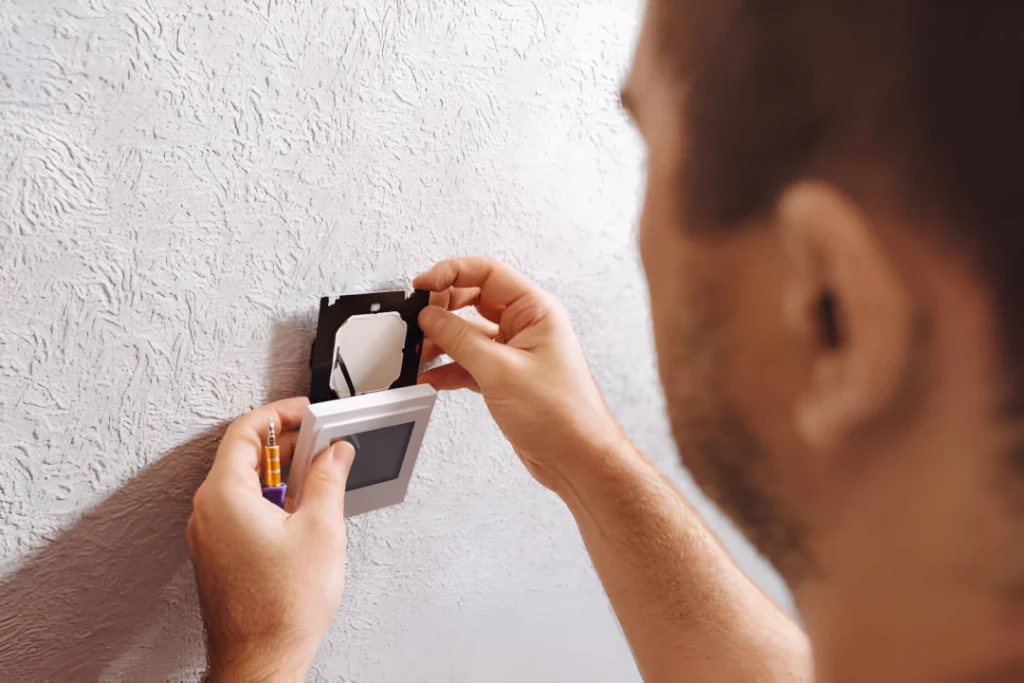
6) Replace a Light Fixture or Switch
Simple fixture swaps improve light and safety. Follow safe shutoff steps.
Steps:
- Shut power at the breaker. Verify with a non-contact tester.
- Remove old fixture or switch. Note wire colors and connections.
- Connect ground, neutral, and hot to matching terminals.
- Mount hardware. Restore power and test.
Common errors:
- Leaving power on.
- Loose wire nuts or missing ground.
DIY safe:
- Like-for-like swaps with proper testing.
Call a pro:
- Aluminum wiring, burned wires, tripping breakers, new circuits.
| Task | DIY Time |
|---|---|
| Switch swap | 20 to 40 minutes |
| Fixture swap | 30 to 60 minutes |
7) Weatherstrip Doors and Windows
Gaps waste heat during Capital Region winters. Seals save money.
Steps:
- Close a door on a sheet of paper. If the paper slides out, the seal is weak.
- Remove old weatherstrip. Clean the surface.
- Install adhesive, nail-on, or kerf-style strip. Test for smooth door action.
Common errors:
- Too thick a seal causing latch strain.
- Skipping surface prep.
DIY safe:
- All standard doors and most windows.
Call a pro:
- Rotted frames, misaligned doors, failing sills.
| Material | R-Value Gain |
|---|---|
| Foam strip | Low but reduces drafts |
| Door sweep | Stops floor-level drafts |
8) Quiet a Squeaky Floor or Stair
Loose fasteners or rubbing boards cause squeaks. Target movement.
Steps:
- From above, drive trim screws at an angle into joists.
- From below, add wood shims and construction adhesive.
- For carpeted areas, use specialty screw kits with breakaway heads.
Common errors:
- Using nails only. Screws hold better.
- Puncturing plumbing or wiring. Map joists first.
DIY safe:
- Isolated squeaks in accessible areas.
Call a pro:
- Large areas, unknown joist layout, or subfloor damage.
| Fix | Typical Cost |
|---|---|
| Trim screws | $6 to $12 per box |
| Shim and adhesive | $10 to $20 |
9) Maintain HVAC Filters and Vents
Airflow keeps systems efficient. Dirty filters strain motors and freeze coils.
Steps:
- Shut system off. Slide out filter. Check size printed on the frame.
- Install a new filter with arrows pointing toward the blower.
- Vacuum return grills and supply vents.
Common errors:
- Wrong filter size or high MERV reducing airflow.
- Skipping quarterly checks.
DIY safe:
- Filter swaps and cleaning vents.
Call a pro:
- No heat, no cooling, short cycling, strange noises, refrigerant issues.
| Filter Type | Replacement Cycle |
|---|---|
| Fiberglass | Monthly |
| Pleated | 60 to 90 days |
10) Gutter Cleaning and Minor Downspout Fixes
Clogged gutters lead to ice dams, siding stains, and wet basements.
Steps:
- Use a stable ladder with a helper.
- Remove debris by hand. Bag and dispose.
- Flush with a hose. Check for leaks at seams.
- Secure loose hangers. Add a splash block at grade.
Common errors:
- Leaning ladders on gutters.
- Ignoring downspout extensions.
DIY safe:
- Single-story or safe access spots with fall protection.
Call a pro:
- Two-story and steep roof work, rotted fascia, seam resealing.
| Frequency | Timing |
|---|---|
| Twice yearly | Late spring and late fall |
When DIY Creates Problems
Some mistakes lead to risk, hidden damage, or high cost. Review the common failure points below.
| DIY Error | Safety Risk | Damage Risk | Extra Cost Range |
|---|---|---|---|
| Wrong electrical connections | Shock or fire | Burned wires | $150 to $900 |
| Overtightened plumbing fittings | Slip/fall on leaks | Cabinet and floor swelling | $120 to $750 |
| Skipping primer on patches | Low | Peeling paint | $80 to $300 |
| Incorrect roof sealants | Fall risk | Leak spread | $300 to $2,500 |
| No permit for structural work | Unsafe framing | Failed inspections | $500 to $5,000+ |

Cost and Value Comparison of DIY and Professional Work
Typical Albany/Troy Price Ranges
| Task | DIY Cost | Pro Cost | Notes |
|---|---|---|---|
| Toilet flapper and fill valve | $25 to $50 | $140 to $300 | Includes parts and labor |
| Drywall patch 1 to 4 inches | $20 to $60 | $150 to $400 | Finish blend adds cost |
| Recaulk tub/shower | $12 to $25 | $120 to $250 | Pro finish faster |
| Light fixture swap | $0 tools + fixture | $120 to $250 | Fixture price separate |
| Gutter cleaning, single-story | $0 tools | $120 to $180 | Roof pitch affects price |
| Outlet or switch replacement | $5 to $25 | $100 to $180 | GFCI higher |
Time vs Money
- Toilet repair: 30 to 60 minutes DIY vs 1 to 2 hour window for a pro visit.
- Drywall patch: 1 to 2 hours across two days due to drying vs 45 to 90 minutes with a pro.
- Recaulk tub: 1 hour DIY vs 30 to 45 minutes with a pro-quality bead.
Tool Cost Overview
| Tool | One-Time Cost |
|---|---|
| Basic toolkit (hammer, screwdrivers, pliers) | $40 to $80 |
| Drill/driver | $60 to $150 |
| Stud finder | $15 to $35 |
| Non-contact voltage tester | $15 to $30 |
| Caulk gun | $6 to $15 |
Warranty Value
- Professional work often comes with labor warranty for 6 to 24 months.
- This reduces risk of repeat trips and callbacks.
- Receipts help with home warranties and future buyer questions.
Resale Value Impact
- Clean caulk lines, smooth patches, and aligned doors signal care.
- Documented professional repairs on electrical and plumbing build buyer trust.
- Prevented damage keeps basements dry and wood trim intact.
Resale impression trend with documented service
DIY only, no records: ===
Mix DIY + pro records: ======
Pro for systems + DIY for finishes: ========
Key: more bars = stronger buyer confidence
How House Repair Services Help First-Time Homeowners
Professional help fills skill and time gaps. The right service improves safety and protects value.
- Safety. Licensed pros handle shock, fall, and gas risks.
- Accuracy. Correct parts and methods prevent repeat issues.
- Speed. Field experience trims job time.
- Better tools. Pros bring specialty tools for clean results.
- Code compliance. Work aligns with New York codes and local rules.
Need a trusted start in Albany or Troy? Explore house repair services for scheduled or urgent help.
When To DIY and When To Hire Help
Quick Decision Checklist
- Risk level low and no permit needed. DIY is fine.
- You hold the needed tools and basic skills. DIY is fine.
- Water, gas, or high voltage involved. Hire help.
- Work affects structure or egress. Hire help.
- Roof heights or steep slopes involved. Hire help.
Decision Flow
Start
  |
  |-- Is the task low risk and small in scope? -- Yes --> Do you have tools? -- Yes --> DIY
  |                                      |                             |
  |                                      |                             No --> Buy/borrow tools? -- Yes --> DIY
  |                                      |                                                       No --> Hire
  |-- No --> Does the task touch water, gas, or high voltage? -- Yes --> Hire
                                            |
                                            No --> Will errors cause hidden damage? -- Yes --> Hire
                                                                              |
                                                                              No --> DIY trial with stop point
Want a full list of tasks a handyman handles? Review this guide: What kind of services does a handyman provide?
Long-Term Maintenance and Resale Value
Routine upkeep slows wear, prevents moisture problems, and protects systems. Good records also help during sale.
Seasonal Maintenance Timeline
| Season | Tasks |
|---|---|
| Spring | Gutters, downspouts, grading check, AC service, deck inspection |
| Summer | Exterior caulk and paint touch-ups, window screens, pest sealing |
| Fall | Furnace service, weatherstripping, roof check, hose bib winterizing |
| Winter | Ice dam watch, humidity control, test GFCI/AFCI, attic frost check |
At-a-Glance Care Goals
- Keep water out and routed away.
- Keep air sealing tight but venting correct.
- Keep systems clean, filtered, and serviced on schedule.
For a fresh, buyer-ready look with smart updates, see refresh your home with a trusted home handyman service. For recurring support, review local house repair services and plan seasonal visits.
FAQs for First-Time Homeowners
How do I know if a wall is load-bearing?
Look for joists resting on the wall, stacked walls across floors, or beams above. When unsure, bring in a pro before any cuts.
What is the first toolset I should buy?
Hammer, multi-bit screwdriver set, pliers, adjustable wrench, utility knife, tape measure, stud finder, drill/driver, and a non-contact voltage tester.
How often should I service my furnace and AC?
Once per year each. Book heating in fall and cooling in spring.
Why do my GFCI outlets trip?
Moisture, worn devices, or downstream faults trigger trips. If resets do not hold or trips repeat, hire an electrician.
What size dehumidifier for my Albany basement?
For 1,000 to 1,200 sq ft, choose a 50 to 60 pint unit. Keep drains clear and set to 45 to 50 percent RH.
Should I replace knob-and-tube wiring?
Yes, upgrade during remodels or when issues appear. This raises safety and insurability.
Conclusion
Strong DIY habits save money and protect your home. Know your limits, set safe stop points, and bring in a licensed professional when risk or code issues rise. For trusted help in Albany and Troy, reach out to A&S Home Services. Balance small DIY wins with expert support, and your home will stay safe, dry, and ready for the next Upstate season.
hello world
hello world