

Saratoga Springs Handyman Services: Do Gutter Guards & Downspout Extensions Make Sense in Upstate NY?
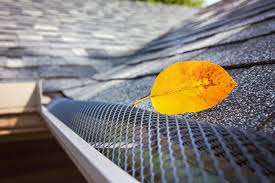
Upstate New York homes take a beating. From fall leaf loads and pine needles to lake-effect snow and heavy spring rains, gutters in Saratoga County have to work year-round to protect your roof, siding, foundation, and landscaping. If you’re a first-time homeowner around Saratoga Springs or the Capital Region, you may be wondering: Are gutter guards and downspout extensions worth it here? Short answer: often yes—if you match the product to your roof, trees, and drainage conditions. And when you need a safe, lasting install, a trusted local pro like A&S Home Services can help.
If you notice sagging sections, leaks, or trim damage during your seasonal cleanup, this guide on exterior handyman repairs Albany NY explains how local experts can restore gutters, fascia, and siding before problems spread—keeping your home protected and ready for the next storm season.
If you’re weighing costs and maintenance savings, local saratoga springs handyman services can audit your current gutter system, recommend the right guard type, and ensure your downspouts discharge water far enough from your foundation to avoid basement moisture. For additional homeowner guides and seasonal checklists, browse the latest posts on the A&S Home Services blog.
Gutter Systems 101: What Problem Are We Solving?
Gutters and downspouts manage roof runoff so water doesn’t saturate your foundation, rot fascia boards, stain siding, or puddle on walkways that become winter ice hazards. The right system reduces clogs and directs water safely away from your home.
Why gutters matter in Saratoga County
- Protect foundations: Keeping roof runoff 6–10 feet away helps prevent hydrostatic pressure that causes basement leaks and cracks.
- Preserve landscaping: Controlled discharge prevents mulch washouts and erosion.
- Avoid ice sheets: Dryer walkways and driveways in winter mean fewer slip hazards.
- Extend exterior life: Less splashback preserves siding, paint, and trim.
Upstate NY Seasons and Their Impact on Gutters
Seasonality drives your maintenance plan. Here’s what to expect:
- Fall: Leaves and helicopters from maples, plus oak leaves and acorns, can overwhelm open gutters in weeks.
- Winter: Snow loads and freeze–thaw cycles stress gutters; ice dams can form if attic insulation/ventilation are inadequate.
- Spring: Fast snowmelt plus heavy rains test your downspout capacity and drainage.
- Summer: Pine needles (Adirondack influence) and seed pods are frequent culprits; summer downpours challenge downspout placement.
Visual trend idea: seasonal clog curve
Imagine a simple line graph with the x-axis labeled by season (Fall, Winter, Spring, Summer) and the y-axis labeled “Clog-related issues.” The line spikes sharply in Fall (leaf drop), dips slightly in Winter (frozen debris, but less active rainfall), rises again in Spring (melt + rain + leftover debris), and sits moderate in Summer (pollen, needles, summer storms). This visual tells you two proactive cleanings—late Fall and early Spring—prevent most overflow events.
Are Gutter Guards Worth It in Upstate NY?
Gutter guards reduce cleaning frequency and overflow risk, but not all products are equal—especially in a region with mixed deciduous and evergreen trees, heavy snow, and freeze–thaw cycles. Here’s a clear comparison.
Gutter Guard Types: Cost, Maintenance, and Fit for Upstate NY
| Type | Typical Installed Cost (per linear ft) | Best For | Maintenance Frequency | Pros | Cons | Upstate NY Fit |
|---|---|---|---|---|---|---|
| Micro-mesh (stainless/aluminum frame) | $7–$15 | Mixed leaves, pine needles, heavy debris | Inspect 1–2x/yr; occasional brushing | Excellent filtration; durable; resists needles | Can ice over; needs proper pitch; costlier | Excellent with correct install and roof snow management |
| Perforated aluminum screens | $3–$7 | Leaves, moderate debris, budget installs | 2x/yr check; clean tops seasonally | Affordable; easy to service | Pine needles can stick; wind-blown debris accumulates on top | Good budget pick; add spring/fall brushing |
| Reverse-curve/helmet (surface tension) | $12–$25 | Heavy leaf areas (few needles) | Annual check | High capacity in downpours; sheds leaves well | May require shingle lift; ice overhangs; cost | Good for leaf-heavy, needle-light yards; mind roof warranty |
| Foam inserts/brush | $2–$5 | Short-term/DIY trials | Frequent; can clog internally | Low cost; quick DIY | Traps dirt; moss growth; degrades | Not ideal for long, snowy winters |
Pros and cons of gutter guards in our climate
- Pros:
- Reduce clogs and overflows during fall and spring rains.
- Lower ladder time and cleaning costs over 5–10 years.
- Protect fascia and soffits by keeping water in the trough.
- Cons:
- Do not prevent ice dams (more on that below).
- Some designs can freeze over; melting snow may sheet past the guard.
- Poor installs can void roof warranties or trap debris on top.
Do gutter guards prevent ice dams?
No. Ice dams originate from heat escaping the living space, warming the roof deck, and melting snow that refreezes at the eave. Guards can reduce debris that slows meltwater, but they don’t fix the root cause. Prevention requires attic air sealing, insulation, and ventilation, and sometimes heat cables at eaves. Guards still help by keeping channels clear when snow begins to melt in late winter.
Downspout Extensions: The Unsung Hero of Dry Basements
If guards keep water flowing, extensions ensure it exits far enough from your home. In clay-heavy or flat lots common in parts of Saratoga County, water can pond near the foundation without proper discharge distance.
How far should downspouts discharge?
- Target 6–10 feet from the foundation; more if grading is flat or soil is clayey.
- Ensure 1/4 inch per foot slope away from the home for splash blocks or extensions.
- Never direct runoff onto sidewalks, neighbor properties, septic areas, or driveways that freeze.
Downspout extension options and costs
| Solution | Typical Cost (per downspout) | Pros | Cons | Best Use |
|---|---|---|---|---|
| Flip-up rigid extension (hinged) | $30–$100 | Directs water 4–6 ft; flips up for mowing/snow | Visible; can get kicked or moved | Lawns where mowing access matters |
| Flexible corrugated extension | $10–$25 | Low cost; easy DIY; directs 3–6 ft | Can kink; UV wear; not ideal for show-fronts | Budget, hidden side yards or backs |
| Rigid above-grade pipe to a splash area | $50–$150 | Durable; consistent slope | Trip hazard; snow-plow exposure | Along fences, garden edges |
| Buried corrugated line to daylight | $200–$600 | Invisible; delivers water far away | Requires good outlet; root intrusion risk | Sloped lots with a downhill discharge point |
| Dry well or small infiltration trench | $500–$2,000+ | Manages water where surface discharge is limited | Soil must drain; maintenance over time | Flat lots or tight setbacks |
Winter note
Above-grade extensions can freeze into place or get crushed by snow loads. Hinged flip-ups help. Buried lines should use smooth interior pipes where possible, proper slope, and a reliable outlet so they don’t freeze solid. Avoid connecting to footing drains without a backflow plan.
saratoga springs handyman services: When to Call a Pro for Gutters
Some tasks are great DIY projects; others are safer and more cost-effective with professional tools and know-how. If you’re on the fence, this quick decision guide helps.
DIY vs. Pro: Quick Checklist
Use this checklist to decide whether to tackle the work yourself or hire out.
| Task | DIY If… | Hire a Pro If… |
|---|---|---|
| Seasonal gutter cleaning | Single-story, stable ground, proper ladder, fall protection, and helper available | Two-story/steep roofs, tree cover heavy, or you lack safety gear and experience |
| Installing screen or micro-mesh guards | Fascia is sound, gutters pitched correctly, you’re comfortable with hand tools | Fascia rot, sagging gutters, need rehanging, or roofline complexities (valleys, dormers) |
| Adding downspout extensions | Simple grade away from house, easy routing | Need buried lines, dry wells, crossings under sidewalks, or sump tie-ins |
| Diagnosing ice dams | You’re adding attic insulation/air sealing with guidance | Active leaks, mold signs, or ventilation design changes required |
| Gutter re-pitch and rehanging | You own a level, chalk line, and understand 1/16–1/8 in. per foot pitch | Sections are twisted, spikes loose, or hangers need replacement across long runs |
For a deeper look at scoping a project and screening contractors, see this helpful guide: Home Repair: Hiring Pros vs. DIY in Albany, NY. While focused on Albany, the decision-making framework applies directly to Saratoga County homeowners.
Cost vs. Value: A Real-World Saratoga Scenario
Let’s estimate costs and the value you gain over 5 years for a typical two-story colonial in Saratoga Springs with about 160 linear feet of gutters, moderate tree cover, and a history of basement dampness after spring storms.
Baseline without guards or extensions
- Cleanings: 2–3 per year @ $175–$250 each = $350–$750/year
- Overflow incidents: 1–2 minor events per year, occasional fascia touch-up ($150–$400)
- Basement dampness: dehumidifier running + occasional remediation supplies ($100–$300/year)
Upgrade: Micro-mesh guards + buried downspout extensions
- Micro-mesh guards installed: 160 ft @ $10/ft average = $1,600
- Buried extensions on 3 downspouts to daylight: 3 @ $400 = $1,200
- Total project estimate: $2,800 (plus minor fascia fixes if needed)
Projected 5-year value
| Line Item | Without Upgrades | With Upgrades | 5-Year Delta |
|---|---|---|---|
| Cleaning/maintenance | $1,750–$3,750 | $500–$1,000 (annual inspections/quick brush-offs) | Save $1,250–$2,750 |
| Fascia/soffit repairs | $300–$1,000 | $0–$300 | Save $300–$700 |
| Basement dampness/extras | $500–$1,500 | $100–$500 | Save $400–$1,000 |
| Water intrusion incident | $1,500–$5,000 (risk-adjusted cost) | $0–$1,000 (reduced risk) | Save $500–$4,000 |
| Net 5-year impact | — | — | $2,450–$8,450 savings vs. $2,800 spend |
In this scenario, the project often pays back in under 3 years, with reduced hassle and better basement health from day one.
Performance and Maintenance: With vs. Without Guards
| Factor | No Guards | With Micro-mesh Guards |
|---|---|---|
| Cleaning frequency | 2–3x/year | 1–2 quick checkups/year |
| Fall leaf resistance | Low without frequent cleaning | High; brush top surface as needed |
| Pine needle resistance | Low | Medium–High (mesh quality matters) |
| Ice dam impact | Unaffected | Unaffected (address attic/roof) |
| Heavy rain overflow | Common if partially clogged | Reduced with correct pitch and downspout sizing |
Right-Sizing Your System: Practical Specs
- Gutter pitch: 1/16–1/8 inch per foot toward downspouts.
- Downspout sizing: One 2×3 downspout per 600–800 sq ft of roof; upgrade to 3×4 for 1,000–1,200 sq ft or where valleys converge.
- Outlets and elbows: Use wide-mouth outlets and smooth-radius elbows to reduce clogs.
- Snow management: On metal roofs, snow guards prevent large slides that can tear gutters off or crush guards.
- Fascia integrity: Replace rotted boards and add hidden hangers every 24–32 inches.
Seasonal Maintenance Plan: Upstate NY Checklist
Early Fall (Sept–Oct)
- Pre-clean before heavy leaf drop.
- Check hangers, seams, and downspout strainer baskets.
- Confirm downspout extensions are positioned and free of kinks.
Late Fall (Nov)
- Final clean after leaf drop; brush guard tops if installed.
- Ensure outlets and valleys are unobstructed before first snow.
- Flip up extensions as needed for early snowfalls.
Mid-Winter (Jan–Feb)
- Visually check for ice dams and icicle formation.
- Keep entry walkways dry; redirect extensions to avoid icing.
- Plan attic air sealing and insulation improvements.
Early Spring (Mar–Apr)
- Clean after snowmelt; remove any roof grit accumulation.
- Test flow with a hose; look for leaks at seams and corners.
- Confirm splash areas aren’t eroding and extensions discharge 6–10 feet out.
Summer (Jun–Aug)
- Spot-check after heavy storms.
- Trim overhanging branches to reduce debris.
- Consider adding a downspout where valleys overwhelm one outlet.
Common Mistakes to Avoid
- Choosing a guard that doesn’t match your debris type (e.g., foam under pine trees).
- Installing guards over sagging or mis-pitched gutters.
- Discharging downspouts within 3–4 feet of the foundation.
- Ignoring attic heat loss when battling ice dams.
- Under-sizing downspouts in areas with large roof valleys.
FAQs
Do gutter guards prevent ice dams?
No. Ice dams are caused by heat loss and poor ventilation/insulation at the roof edge. Guards help keep gutters clear so meltwater has a path, but they don’t solve the root cause.
How often should gutters be cleaned in Upstate NY?
Without guards: typically twice per year (late fall and early spring), plus spot-checks after big storms. With quality micro-mesh guards: inspect 1–2 times per year and brush off tops if debris accumulates.
What’s the ideal downspout extension length?
At least 6 feet from the foundation; 8–10 feet is better on flat or clay-heavy soils. Always slope extensions away from the home.
Will guards cause water to overshoot in heavy rain?
They can if installed without regard to roof pitch and drip edge alignment. Pro installation with proper pitch and outlet sizing keeps water in the trough.
Are buried downspout lines safe in winter?
Yes, when properly sloped with a clear outlet (daylight) and smooth interior piping. Avoid shallow, flat runs that hold water and freeze.
Can I install gutter guards myself?
Yes for many screen and micro-mesh systems on single-story homes with sound fascia and correct pitch. Hire a pro for two-story homes, complex roofs, repairs, or when roof warranties could be affected.
What about heat cables?
Heat cables can help manage ice at eaves in problem spots but don’t fix the cause. Pair them with air sealing, insulation, and ventilation improvements.
When Gutter Guards Make Sense—and When They Don’t
Great fit: Lots with leaf drop and/or pine needles, homeowners wanting fewer cleanings, and roofs where water frequently overflows during storms. Micro-mesh shines here.
Maybe not: Very low debris environments where annual cleaning is easy and cheap; roofs with major snow slides that would crush guards unless snow guards are installed.
Pulling It All Together
For Saratoga Springs and the Capital Region, pairing well-installed gutter guards with correctly sized downspouts and smart extensions is a high-value, preventive upgrade. You’ll see fewer clogs, cleaner walkways, better siding protection, and a drier basement. For project scoping, seasonal checklists, and other homeowner insights, keep an eye on the A&S Home Services blog.
Conclusion: Smart, Local, Long-Term Protection
Do gutter guards and downspout extensions make sense in Upstate NY? In most Saratoga-area cases, yes—especially when you choose the right guard for your debris type, set correct gutter pitch, and carry water at least 6–10 feet away from your foundation. You’ll reduce maintenance, prevent costly water damage, and make winter walking safer. When your home has two stories, complex valleys, fascia rot, or you want buried extensions and guaranteed pitch, hiring a vetted local pro is the safer, more cost-effective choice. For expert assessment and installation tailored to your property, reach out to A&S Home Services.