

What Home Improvement Projects Will Boost Your Home Value?
Summary
- Prioritize midrange kitchen, bath, flooring, paint, and energy upgrades to match local comps
- Budget by neighborhood ceiling to avoid over-improving in Saratoga Springs and the Capital Region
- Plan work around heating season, freeze-thaw cycles, and buyer showing windows
- Address inspection risks early: electrical safety, moisture, egress, and ventilation
- Use a step-by-step scope checklist tied to appraisal and buyer expectations
We work on homes across Saratoga Springs and the Capital Region every week. Values move with the neighborhood ceiling, the season, and how well improvements match local buyer expectations. The projects that pay here aren’t always the ones you see in national roundups. What lifts value in a Geyser Crest ranch isn’t the same as a Victorian near North Broadway or a newer build in Malta.
In our projects, the biggest gains come from midrange, practical updates that remove buyer doubts: kitchens and baths that look current, durable flooring, clean paint, and energy measures that blunt winter bills. Appraisers in this market notice quality levels, but they benchmark against recent comparable sales. That’s why scope control matters as much as craftsmanship.
If you’re comparing home services in saratoga springs, align your shortlist of projects with local comps first, then filter by budget, season, and timing to list. The details below map those decisions.
Why value-boosting improvements are different in Saratoga Springs and the Capital Region
Local housing stock realities
- Pre-war and Victorian homes near downtown often have original trim, narrow kitchens, and aging mechanicals. Preserving character while modernizing layouts is the balance.
- Post-war ranches and split-levels in neighborhoods like Geyser Crest and Wilton usually benefit from kitchen reconfiguration, open sightlines, and resilient flooring.
- Newer construction south toward Clifton Park and Malta skews toward cosmetic refresh cycles: paint, lighting, and selective surface updates rather than full remodels.
Seasonal factors and utility costs
- Winter drives the conversation. Drafty windows, weak attic insulation, and older doors push energy bills up and push buyers away.
- Freeze-thaw punishes exterior paint, masonry, walks, and driveways. Scheduling matters: exterior work closes better in late spring through early fall.
- Snow and ice management shows up in buyer impressions: roof ice dams, gutter issues, and risky entries reduce showing confidence.
Buyer expectations vs national narratives
- Local buyers value move-in ready kitchens and baths, but luxury spec beyond neighborhood comps rarely appraises.
- Energy efficiency is not a feature list bullet here; it’s a utility bill reality. Tighten the envelope first; then consider higher-end systems.
- Basement finishing helps only when egress, moisture control, and ceiling heights are addressed. Partial finishes without egress reduce leverage in negotiations.
Common misconceptions that cost locals money
- “If I spend more, I’ll get more.” Appraisal math is constrained by comp ceilings. Overbuilt tile work or custom cabinetry can be invisible to the final number.
- “Buyers can look past old floors.” They usually don’t. Floors control first impressions and photo quality, which drive showings.
- “Windows always pay back fully.” In older Saratoga homes, air sealing and attic insulation often move comfort and bills more than window swaps alone.
- “White paint everywhere fixes it.” Fresh paint helps, but trim repairs, caulk lines, and door fit are what buyers notice during showings.
- “DIY saves money across the board.” Electrical safety, wet location work, ventilation, and egress missteps trigger inspection issues and credits.
Projects that reliably change value outcomes here
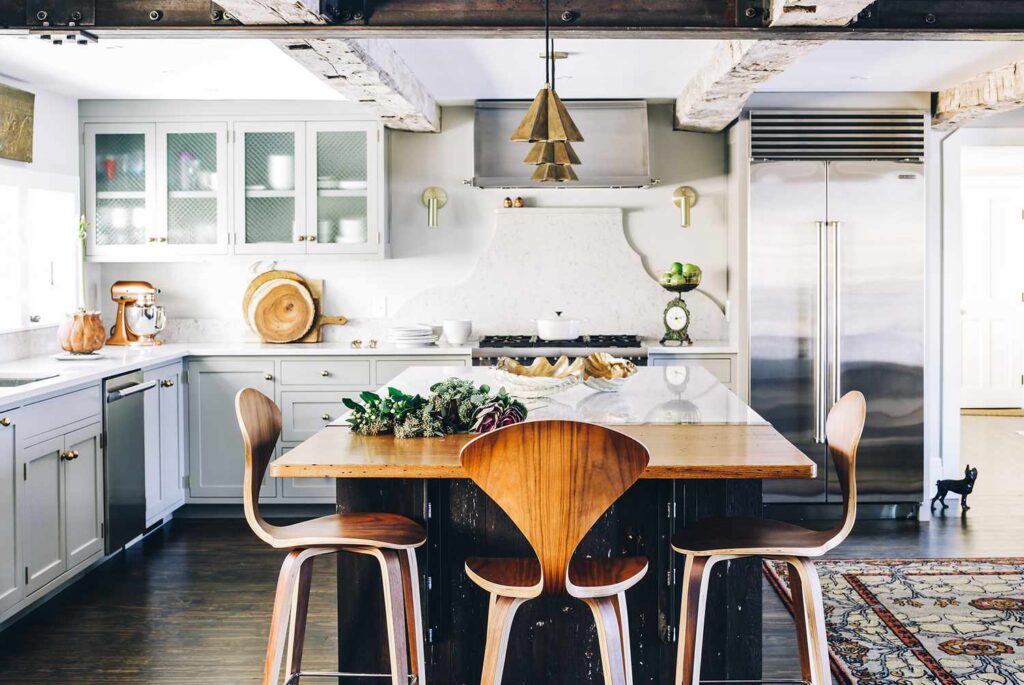
Kitchens: practical upgrades over gut jobs
- Cabinet refresh: paint or refacing, updated hardware, soft-close hinges.
- Counters: durable midrange quartz or a solid-surface that reads clean in listing photos.
- Lighting and layout tweaks: add task lighting; remove obstructive peninsulas in small kitchens.
- Sinks and faucets: modern single-bowl stainless or granite composite with a dependable pull-down faucet.
For a deeper walk-through of prioritizing scope, see our guide on 5 one day kitchen upgrades you can make.
Bathrooms: modern, watertight, and bright
- Tub/shower surround in large-format tile or quality composite panels to limit grout lines.
- New vanity with solid surface top and widespread faucet; quiet bath fan vented outside.
- LVP or porcelain tile on floors; avoid slick finishes for winter safety.
Flooring replacements and refinishing
- Refinish original hardwoods when possible; it reads premium and local buyers notice.
- Use quiet, waterproof LVP in basements or entries; choose stable products for humidity swings.
- Match transitions cleanly; mismatched patches hurt perceived quality.
Painting and neutralization
- Neutral wall colors with crisp white trim sell best across Saratoga County submarkets.
- Repair settlement cracks, re-caulk trim and bath seams, and align doors; small defects stand out in older homes.
Windows, doors, and efficiency upgrades
- Weatherstripping, storm doors, and attic air sealing often beat full window replacement for cost-to-benefit in drafty houses.
- Targeted window replacement where sashes fail or units fog.
- Insulated garage doors and new exterior doors reduce drafts and look good in photos.
Seasonal exterior and curb appeal
- Spring: exterior paint touch-ups, porch repairs, and planting beds with simple edging.
- Summer: deck resurfacing, fence repair, driveway sealing.
- Fall: gutter guards or clean-outs, grading corrections, and door weatherstripping.
- Winter prep: ice dam mitigation and safe, well-lit entries for showings.
Functional improvements DIYers often avoid
- Electrical: panel labeling, GFCI/AFCI where required, grounded outlets in older homes.
- Plumbing: replacing corroded shutoffs, adding cleanouts, correcting improper trap arms.
- Moisture: sump pumps with battery backup, proper bath and dryer venting, sealed rim joists.
- Safety and code: egress windows for basement bedrooms; handrails and guardrails to code.
Budget comparison: local spend bands that make sense
| Project scope | Tight budget | Mid-range | Upper mid-range | Notes for Saratoga/Capital Region |
|---|---|---|---|---|
| Kitchen refresh (no layout change) | $4.5k–$8k | $9k–$18k | $19k–$28k | Cabinet paint/reface, counters, sink, lighting. Avoid moving utilities unless layout is broken. |
| Hall bath update | $3.5k–$7k | $8k–$14k | $15k–$22k | Composite surrounds save cost; tile upcharges should match comp level. |
| Floors (800–1,200 sq ft) | $3k–$6k | $7k–$12k | $13k–$18k | Refinish where possible; LVP in basements and entries. |
| Interior paint (whole house) | $2.5k–$5k | $5.5k–$9k | $10k–$14k | Includes repairs and caulk; trim condition drives cost. |
| Energy/doors/windows bundle | $1.2k–$3k | $3.5k–$8k | $9k–$15k | Start with sealing and weatherstripping; replace failed units selectively. |
How to evaluate cost versus return in the local market
We frame ROI with comps, buyer behavior, and inspection risk reduction. The table below reflects patterns we see in Saratoga Springs and nearby towns.
| Project | Spend range | Appraisal impact | Buyer reaction | Likely ROI band |
|---|---|---|---|---|
| Kitchen refresh | $9k–$18k | Recognized as quality bump if comps support | Higher clicks and longer showings | 60–85% |
| Hall bath update | $8k–$14k | Quality bump; waterproofing helps inspection | Reduces credit requests | 55–80% |
| Full interior paint | $5.5k–$9k | Minimal direct; strong photo impact | Faster offers; better perceived care | 50–70% |
| Floor refinish/replacement | $7k–$12k | Condition upgrade noted | Improves first impression | 55–80% |
| Air sealing + door upgrades | $3.5k–$8k | Limited direct; strengthens condition | Comfort and bill relief speak locally | 40–70% plus utility savings |
Note: In higher-end pockets near the track or North Broadway, finishes must still match recent sales. Overshooting with bespoke features can trap value below spend.
Step-by-step scope planning checklist for Saratoga Springs homeowners
- Pull comps within 0.5–1 mile and 6–12 months. Note finish levels and days on market.
- Walk your house with harsh lighting. Flag floors, paint, doors, and trim that show wear.
- List functional risks: old GFCIs, slow drains, wet basements, window failures, fan venting.
- Prioritize buyer-facing rooms: kitchen, primary bath, entry, living areas.
- Budget by total spend cap tied to comp ceiling. Allocate 60% visible, 40% functional when inspection risks exist.
- Sequence by season: exterior and envelope before winter; interior painting and floors before listing photos.
- Decide DIY vs pro. Leave electrical, plumbing in wet areas, and structural or egress work to licensed pros.
- Pre-inspection lite: fix the easy hits now—handrails, loose toilets, missing CO/smoke combos, leaky valves.
- Schedule final punch list and cleaning before photos. Test every door, drawer, faucet, and light.
Most homeowners vet home services in saratoga springs by comparing scopes, permits, and schedules aligned with this checklist. It keeps budgets honest and improvements pointed at value.
How improvements influence appraisal, buyer activity, and inspection negotiations
Appraisal value
- Appraisers mark quality levels relative to comps. A midrange kitchen refresh can elevate a quality line item without triggering a comp mismatch.
- Permitted structural or egress changes matter. A basement bedroom without proper egress rarely counts.
- Documented energy improvements rarely add direct dollars but can support overall condition and marketability.
Buyer interest and showing activity
- Floors and paint improve photos, which drive showings. We see more second showings when floors match and walls are neutral.
- Clean entries, solid doors, and consistent hardware set a tone that carries through the walkthrough.
- Updated baths reduce pause points that send buyers back to their car.
Inspection findings and repair negotiations locally
- Common credits we prevent: GFCI/AFCI corrections, missing handrails, leaky valves, slow fans, dryer vents into attics, and minor roof flashing issues.
- Moisture is a negotiation killer. Sump backup units, downspout extensions, and sealed rim joists stabilize the discussion.
- Radon mitigation is common in the region. Pre-installing conduit or space planning helps but is usually a post-offer item.
| Before improvements | After targeted improvements |
|---|---|
| 10–20% of showings result in second visits | 20–35% second visits with refreshed floors/paint and tidy entries |
| Inspection credits for electrical and moisture | Fewer credits; quicker close timelines |
| Appraisal tight to comp median | Appraisal supported at upper comp range when finishes align |
Scenario planning for different goals
Listing within 60–90 days
- Focus: paint, floors, lighting swaps, small kitchen/bath surface updates, entry and door tune-ups.
- Budget band: 1–2% of target sale price.
- Why: photo impact and inspection stability carry more weight than deep remodels on a tight timeline.
Staying 3–5 years before selling
- Focus: midrange kitchen refresh, bathroom modernization, targeted efficiency (attic sealing, doors), and durable flooring.
- Budget band: 3–5% of current value.
- Why: you harvest comfort and utility savings now, and the house presents well later.
Converting space for flexible use
- Focus: code-compliant egress for usable basement rooms, moisture management, and quiet, efficient HVAC solutions like mini-splits.
- Budget band: variable; prioritize life-safety items first.
- Why: buyers and appraisers will discount space that isn’t safe or permitted.
Practical dos and don’ts we’ve learned in local work
- Do refinish original hardwoods when you can. They anchor older Saratoga homes.
- Do vent bath fans outside and seal penetrations. It matters in winter.
- Do choose mid-tone, low-sheen paints that hide repairs.
- Don’t install high-end tile patterns that fight with historic trim.
- Don’t skip weatherstripping on old doors; it’s cheap leverage.
- Don’t create three different floor types across the main level; continuity reads better.
FAQs
Will I recoup 100% of a kitchen or bath spend?
Usually not. In our Saratoga and Capital Region projects, midrange scopes often return 55–85% depending on comps. The rest is in faster offers and fewer credits.
Is it worth replacing all windows before listing?
Only if many are failed or unsafe. Otherwise, address air sealing, a few problem units, and doors. Buyers feel draft relief immediately, especially in February showings.
Should I finish my basement?
Maybe. If moisture is controlled and egress is feasible, a simple, dry finish helps. Without egress and proper ceiling height, keep it clean, bright, and storage-friendly.
What about historic exteriors near downtown Saratoga?
Keep profiles and proportions intact. Repair before replace. Painting, porch stabilization, and discreet storm windows often deliver better outcomes than wholesale swaps.
What does “near me” mean when I search for help?
It’s location intent. You’re signaling you want responsive teams familiar with local codes, seasonality, and comps, not a literal phrase to copy into your plan.
Do I need permits for small jobs?
Electrical, plumbing, structural, and egress work usually need permits. Paint, floors, and counters typically don’t. Local code offices in the Capital Region expect proper documentation.
What if my appraisal comes in low after improvements?
It happens. Provide a list of work completed with dates and invoices, plus comps that match your finish level. Sometimes the second set of comps does the work; sometimes the ceiling is firm.
Conclusion
In Saratoga Springs and across the Capital Region, value grows when improvements solve the problems buyers can’t ignore and align with the neighborhood ceiling. Kitchens and baths that feel current, floors that present cleanly, paint that calms the space, and energy moves that cut winter drafts are the pattern we see. The rest is timing, scope control, and avoiding inspection surprises. When projects follow that local logic, the numbers usually make sense and the sale feels straightforward.