Albany Homeowner’s Safety Blueprint: Must-Have Upgrades (and When to Call a Handyman)
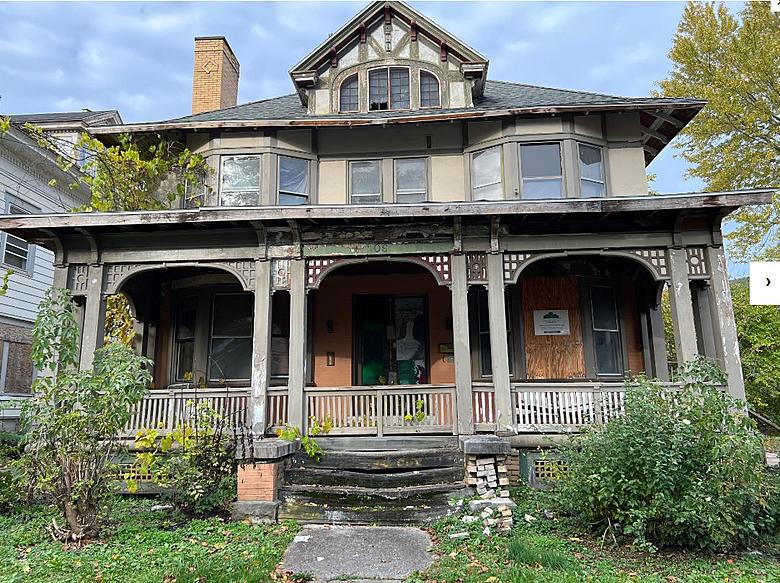
Buying your first home in Albany, NY is exciting — and a little daunting. Albany’s historic housing stock, lake-effect snow, steep temperature swings, and older electrical systems can create unique safety challenges for new homeowners. The good news: a thoughtfully planned set of safety upgrades can protect your family, your investment, and your peace of mind. In this guide, we’ll walk you through the essential safety improvements every Albany home should have, when you can DIY, and when to search for handyman services near me to get it done right. If you want a trusted local pro to help you prioritize and install these upgrades, A&S Home Services is a reliable place to start.
Why Safety Upgrades Matter in Albany’s Homes
Albany’s charm comes with quirks: older wiring, drafty basements, slick winter steps, radon-prone foundations, and moisture that invites mold. Add in seasonal power surges, snow loads, and wide temperature swings — and you’ve got a checklist that deserves attention. Safety upgrades aren’t just about code compliance; they’re about preventing emergencies, reducing liability, and making daily life easier and safer for you and your guests.
Safety Starts With Detection: Smoke & Carbon Monoxide Protection
Interconnected Smoke Alarms
Every level of your home should have smoke alarms — including the basement — with alarms in every bedroom and outside each sleeping area. Opt for interconnected alarms so when one goes off, they all go off. For older Albany homes, a wireless interconnected system can be a cleaner choice than running new wiring.
- Placement: On ceilings or high on walls; avoid kitchens and bathrooms to reduce false alarms. Keep at least 10 feet from cooking appliances.
- Type: Consider a mix of photoelectric (slow, smoldering fires) and ionization (fast, flaming fires) or dual-sensor alarms.
- Maintenance: Test monthly; replace batteries annually; replace the entire unit every 10 years.
When to call a pro: If your home has hardwired alarms with confusing wiring or you’re adding new locations that require power, call an electrician or a qualified handyman to ensure code-compliant installation.
Carbon Monoxide (CO) Detectors
Albany’s heating season is long, and many homes use gas, oil, or wood heat. CO is odorless and deadly. Install CO detectors on every level of your home and outside each sleeping area.
- Combo Detectors: Consider combination smoke/CO units where appropriate to reduce device clutter.
- Fuel-Burning Appliances: Place a CO detector close (but not right next to) furnaces, water heaters, fireplaces, and garages.
- Testing: Press the test button monthly; replace per manufacturer guidance (often 5–7 years).
When to call a pro: If your CO detector ever goes off and you can’t pinpoint a harmless cause, leave the house and call your utility or a licensed HVAC technician. Follow up with a pro for inspection of venting and combustion appliances.
Electrical Upgrades That Prevent Shocks, Fires, and Surges
GFCI Outlets in Wet Locations
Ground Fault Circuit Interrupter (GFCI) outlets reduce shock risk near water. Albany’s basements and exterior outlets are prime targets for moisture.
- Where Required: Kitchens, bathrooms, laundry rooms, garages, basements, and outdoor outlets.
- How They Work: They monitor the current leaving and returning to the outlet. If there’s an imbalance (a potential shock), they trip.
DIY vs. pro: Comfortable DIYers can replace outlets if the wiring is modern and properly grounded. If you see aluminum wiring, two-prong outlets, or mystery junction boxes, call a professional.
AFCI Protection and Older Wiring
Arc Fault Circuit Interrupter (AFCI) breakers reduce fire risk by catching errant arcs from damaged cords or wiring. In Albany’s older homes, where frayed insulation and mixed-era wiring are common, AFCI is a smart upgrade.
When to call a pro: Any panel work should be handled by a licensed electrician or an experienced handyman who partners with one. If you suspect knob-and-tube wiring, get a professional assessment; this may limit what you can DIY safely.
Whole-Home Surge Protection
Thunderstorms, power grid events, and generator interactions can cause surges that fry electronics and appliances. A whole-home surge protector at the main panel plus point-of-use protectors offers layered protection.
When to call a pro: Installation at the main panel is not a DIY job for most homeowners.
Stairways, Handrails, and Fall Prevention
Falls are one of the top causes of home injuries, especially in winter. Albany’s boots, ice, and melted snow make stair safety crucial.
Handrails and Balusters
- Handrail Height: Typically 34–38 inches above the stair nosing.
- Baluster Spacing: No more than 4 inches apart to prevent child entrapment.
- Secured Mounting: Use studs and quality anchors; loose handrails are a major hazard.
When to call a pro: If your railings wobble or need structural reinforcement, a handyman can open walls, add blocking, and re-secure to code.
Treads, Nosings, and Visibility
- Non-Slip Treads: Add adhesive anti-slip strips on indoor steps and outdoor stoops.
- Consistent Rise/Run: Irregular steps are a tripping hazard; a pro can rebuild or shim to correct.
- High-Contrast Edges: Use contrasting tape or paint at nosings for visibility.
Lighting and Motion Sensors
Install bright, glare-free LED lighting in stairwells, with three-way switches at top and bottom. Add motion sensors for outdoor stairs and entries to avoid night-time missteps.
Kitchen and Furniture Safety
Anti-Tip Brackets
Secure bookcases, dressers, and TVs with anti-tip anchors. For kitchens, install anti-tip brackets on ranges to prevent tipping when a child climbs on an open oven door or when heavy pots rest on the edge.
When to call a pro: Drywall types vary, and old plaster walls in Albany can be tricky. If you’re unsure about anchor types or have masonry walls, bring in a handyman for safe, concealed installations.
Fire Extinguishers and Stove Safety
- Extinguishers: Keep an ABC-rated extinguisher on each level, especially in the kitchen and near the garage.
- Stove Knob Covers: A simple child-safety upgrade that helps prevent accidental ignition.
- Range Hoods: Ensure proper venting and clean filters regularly to reduce grease fires.
Water, Basement, and Winter Safety
Sump Pump and Battery Backup
Sudden thaws and heavy rains can flood basements. A sump pump with a battery backup can prevent water damage during power outages.
When to call a pro: Installing a backup, running dedicated circuits, or adding a high-water alarm can be handled by a handyman. For new sump pits or drainage system work, consult a basement waterproofing specialist.
Leak Sensors and Automatic Shutoff Valves
Smart leak sensors under sinks, behind toilets, and near the water heater can alert you to trouble early. Consider an automatic main shutoff valve for peace of mind when traveling.
Frozen Pipe Prevention
- Insulate exposed pipes in unheated areas; seal rim joists and sill plates to reduce drafts.
- Use heat cable on problem lines (follow manufacturer instructions carefully).
- Keep a trickle of water running during deep freezes for vulnerable lines.
For more cold-weather safety project ideas, see the top winter home projects a handyman can help with.
Entry Security and Smart Home Protection
Deadbolts, Strike Plates, and Hinge Screws
- Deadbolts: Install ANSI Grade 1 or 2 deadbolts on exterior doors.
- Reinforced Strike Plate: Use a heavy-duty strike with 3-inch screws driven into the framing.
- Hinge Security: Replace short hinge screws with 3-inch screws to strengthen the door edge.
Smart Locks and Doorbell Cameras
Smart locks add convenience and audit trails; doorbell cameras and floodlight cams deter porch thefts and illuminate entries. Ensure your Wi-Fi network uses WPA3 or WPA2 encryption and strong passwords.
When to call a pro: Door mortising, strike alignment, and wiring low-voltage transformers for cameras can be finicky. A handyman can handle this quickly and cleanly, often integrating with your existing door hardware.
Window Locks and Egress
Upgrade flimsy window latches, add secondary locks, and confirm basement bedrooms have safe, code-compliant egress windows for fire escape.
Indoor Air Quality: Radon, Ventilation, and Healthy Homes
Radon Testing
Much of Upstate New York, including Albany County, shows moderate to elevated radon risk. Radon is a radioactive gas that seeps from soil into basements and is a leading cause of lung cancer in non-smokers.
- Testing: Start with a short-term test kit; follow up with long-term testing if results are borderline.
- Mitigation: If levels exceed 4.0 pCi/L, hire a certified radon mitigation professional to install a sub-slab depressurization system.
Bathroom and Kitchen Ventilation
Vent bathroom fans to the exterior (not into the attic). Add a timer or humidity-sensing switch to reduce mold. Ensure kitchen range hoods vent outside when possible; recirculating hoods are less effective at moisture control.
Lead Paint, Asbestos, and Safe Renovation
Many Albany homes built before 1978 may have lead paint; homes older than the 1980s can include asbestos in flooring, insulation, or siding. Disturbing these materials improperly is hazardous.
When to call a pro: For lead-safe practices or suspected asbestos, consult certified professionals. A handyman can coordinate non-hazardous prep and finish work after abatement.
Outdoor Lighting and Pathway Safety
- Dusk-to-Dawn LEDs: Automatically light entries and driveways.
- Motion Sensors: Illuminate pathways only when needed to save energy.
- Address Numbers: Large, reflective, and well-lit so first responders can find you.
- Surface Repairs: Fix heaved pavers, cracked steps, and loose railings before winter.
Seasonal Maintenance: The Albany Safety Calendar
Fall Prep (Before First Freeze)
- Test smoke/CO alarms and replace batteries.
- Clean gutters; add gutter guards if trees are nearby.
- Insulate pipes in unheated areas; drain outdoor spigots.
- Service furnace; change filters; check humidifiers.
Winter Watch
- Keep entry steps clear and add anti-slip treads.
- Check sump pump operation; verify backup power.
- Monitor for ice dams; use roof rakes safely from the ground.
Spring Reset
- Test GFCIs and AFCIs.
- Inspect railings, decks, and exterior wood for rot.
- Re-grade soil to slope away from the foundation; extend downspouts.
Summer Safety
- Install or upgrade exterior lighting and cameras.
- Service central AC; clean dryer vents to reduce fire risk.
- Schedule bigger projects while weather cooperates. For vetting tips, read this premium guide to hiring a handyman in Albany, NY.
handyman services near me: When DIY Stops and Pros Should Step In
Some projects are safe and satisfying to DIY. Others carry hidden risks or simply take too long without specialized tools. Use this quick test:
- Electrical panel work or new circuits? Call a licensed pro.
- Anything involving gas lines or combustion? Call HVAC/plumbing pros.
- Work at heights, on steep roofs, or complex ladders? Call a pro with fall protection.
- Unknown wall types (plaster, masonry) or load-bearing changes? Consult a handyman or contractor.
- Permits, inspections, or code questions? A local pro knows Albany codes and inspectors.
- Time-sensitive fixes (post-storm, leaks, security breaches)? Speed matters — hire help.
If you’re comparing options, searching handyman services near me is a fast way to line up quotes and timelines from qualified local providers who understand Albany’s homes.
Cost-Benefit Analysis: DIY vs. Professional Help
Here’s a practical look at typical Albany-area costs, risks, and benefits for common safety upgrades. Prices vary by home and complexity.
| Upgrade | DIY Difficulty | DIY Cost (Est.) | Pro Cost in Albany (Est.) | Risk if Done Wrong | Best Choice |
|---|---|---|---|---|---|
| Interconnected smoke/CO detectors (wireless) | Low–Medium | $80–$250 per unit | $150–$350 per unit installed | Missed coverage, nuisance alarms | DIY if comfortable; pro for layout/placement |
| GFCI outlet swap | Medium | $20–$30 per outlet | $85–$150 per outlet | Shock, miswiring | DIY if wiring is modern; pro for older homes |
| AFCI breaker install | High | $40–$60 per breaker | $150–$300 per breaker | Fire hazard, panel damage | Pro |
| Anti-tip furniture and range brackets | Low | $10–$25 per item | $40–$100 per item | Tip-over injuries | DIY or pro for plaster/masonry walls |
| Handrail install or reinforcement | Medium–High | $50–$150 materials | $200–$600 | Falls, code violations | Pro recommended |
| Smart lock + door strike reinforcement | Medium | $150–$300 | $200–$450 | Lock failure, poor alignment | DIY if handy; pro for perfect fit |
| Sump pump battery backup | Medium | $200–$450 | $350–$800 | Basement flooding | Pro |
| Exterior motion lighting | Low–Medium | $30–$120 per fixture | $120–$300 per fixture | Poor coverage, water intrusion | DIY or pro for weatherproof routing |
At-a-Glance DIY Risk vs. Reward
Relative DIY risk and value (longer bars indicate higher values):
Smoke/CO detectors   Risk: ■■□□□   Reward: ■■■■■
GFCI outlets         Risk: ■■■□□   Reward: ■■■■□
AFCI breakers        Risk: ■■■■■   Reward: ■■■■□
Anti-tip brackets    Risk: ■□□□□   Reward: ■■■■□
Handrails            Risk: ■■■■□   Reward: ■■■■■
Smart locks/strike   Risk: ■■□□□   Reward: ■■■■□
Sump backup          Risk: ■■■■□   Reward: ■■■■■
Exterior lighting    Risk: ■■□□□   Reward: ■■■■□
If you’re unsure whether to DIY, start with an estimate from a local pro. A quick quote from handyman services near me can help you compare real costs versus your time and tool investments.
Quick, Printable Safety Upgrade Checklist
Use this step-by-step checklist to prioritize high-impact safety upgrades. Print or save this list, and tackle items in order of urgency.
- Install and test smoke alarms on every level, in each bedroom, and outside sleeping areas; add CO detectors on each level.
- Replace or add GFCI outlets in kitchens, baths, laundry, basements, garage, and outdoors.
- Add whole-home surge protection and test/label your electrical panel; consider AFCI breakers.
- Secure heavy furniture, TVs, and kitchen ranges with anti-tip brackets.
- Reinforce stair safety: add or tighten handrails, apply non-slip treads, upgrade lighting.
- Improve entry security: install Grade 1/2 deadbolts, reinforced strike plates, 3-inch hinge screws; consider smart locks and a doorbell cam.
- Protect basements: verify sump pump operation, add battery backup, place leak sensors by water heaters and under sinks.
- Ventilate properly: ensure bath fans and range hoods vent outside; add timers/humidity controls.
- Test for radon; if high, hire a certified mitigation pro.
- Seasonal maintenance: clean gutters, seal air leaks, insulate pipes, and check exterior stairs/walkways.
Tip: Revisit this list every fall and spring. Bundle tasks by area to save time and money — for example, have a pro handle multiple installations in a single visit.
Project Spotlights: What a Handyman Can Do in a Day
- Swap five standard outlets for GFCIs and install tamper-resistant outlets in a child’s room.
- Install three smart locks and reinforce door strikes with 3-inch screws and security plates.
- Mount two handrails, add anti-slip treads, and secure three large furniture pieces.
- Install two motion floodlights and one video doorbell.
- Add a sump pump battery backup and a high-water alarm.
Many of these can be bundled at a half-day or day rate, saving you on per-visit charges. For seasonal bundling ideas, explore the top winter home projects a handyman can help with.
Frequently Asked Questions (FAQs)
How many smoke and CO detectors do I need?
At minimum: one smoke alarm in every bedroom, one outside each sleeping area, and one on every level including the basement. CO detectors should be on every level and near sleeping areas. Interconnected detectors are strongly recommended.
What’s the difference between GFCI and AFCI?
GFCI protects from shock near water by tripping quickly when a ground fault is detected. AFCI protects against electrical fires by detecting arcing faults in wiring or cords. Both are important in older Albany homes.
Are smart locks secure?
Yes, when installed correctly and paired with strong app passwords and secure Wi-Fi. Reinforce your door’s strike plate and hinges to prevent physical kick-ins. Choose reputable brands with up-to-date firmware support.
Do I really need radon testing in Albany?
Yes. Albany County has areas with elevated radon. Testing is inexpensive and high-impact — and mitigation is straightforward if needed.
Can a handyman handle electrical work?
Handymen can legally replace outlets, switches, and fixtures in many cases. For panel work, new circuits, or complex code requirements, hire a licensed electrician. Many handymen partner with electricians to streamline projects.
When should I not DIY?
Avoid DIY on anything involving gas lines, complex electrical, structural changes, or work at significant heights. If a mistake could cause fire, flooding, or injury, bring in a pro.
Local Know-How Matters
Albany’s microclimates, older housing, and seasonal swings make local experience invaluable. A pro who works in your neighborhood knows which basements flood after a thaw, how plaster walls differ from drywall, and which materials stand up to freeze-thaw cycles. For tips on vetting and hiring, bookmark this premium guide to hiring a handyman in Albany, NY.
Bringing It All Together
Home safety isn’t a one-time project — it’s a smart routine. Start with detection (smoke and CO), shore up electrical safety (GFCI/AFCI, surge protection), prevent falls (handrails, lighting, anti-slip), secure entries (deadbolts, strike plates, smart locks), protect from water (sump backups, leak sensors), and keep your air healthy (radon tests, proper ventilation). You’ll sleep better, your home will perform better, and you’ll avoid many common emergencies.
If you’re ready to knock out a list in one visit, a trusted local pro can help you prioritize, source quality materials, and install to code. For friendly, professional support in Albany, reach out to A&S Home Services to get your safety upgrades handled with care.