
What Does a Handyman Do in Albany, NY?
Summary
- Albany handymen handle small-to-medium repairs; larger permitted projects go to contractors.
- Freeze–thaw cycles and older housing stock drive common service requests in the Capital Region.
- Clear scopes, safety-minded upgrades, and honest price ranges reduce surprises.
- Seasonal checklists for Upstate New York prevent costly water and heat loss issues.
- Choosing a reliable pro preserves finishes, records repairs, and protects long-term value.
Introduction
We work on Albany, NY homes every week—Center Square brownstones, mid-century ranches in Colonie, 1990s colonials in Guilderland, and two-family flats in Pine Hills. The jobs change with the block and the season, but the pattern repeats: homeowners want practical fixes done right the first time, without turning a simple repair into a drawn-out project.
As a locally based team at A&S Home Services, our view of handyman work is shaped by the Capital Region’s weather and housing stock. We see the same recurring needs: water entry around sills after freeze–thaw, sticky doors in humid summers, aging plaster, and little safety upgrades that make daily life easier. Below, we explain what a handyman does here, where our role stops, and how to make smart decisions on timing and budget.
The scope of handyman work in Albany and the Capital Region
In our area, handymen focus on small to mid-sized tasks that don’t require a specialized trade crew or a general contractor. The aim is accuracy, safety, and speed—fix the issue, protect the home, and keep disruption low.
Typical interior tasks we handle
- Drywall repairs, skim coating, and paint touchups after a leak or settlement crack
- Replacing leaky faucet cartridges, trap assemblies, and shutoff valves
- Toilet repairs and replacements, wax rings, and supply lines
- Minor electrical items: swapping light fixtures, installing dimmers, replacing outlets/plates—within code and without service-panel work
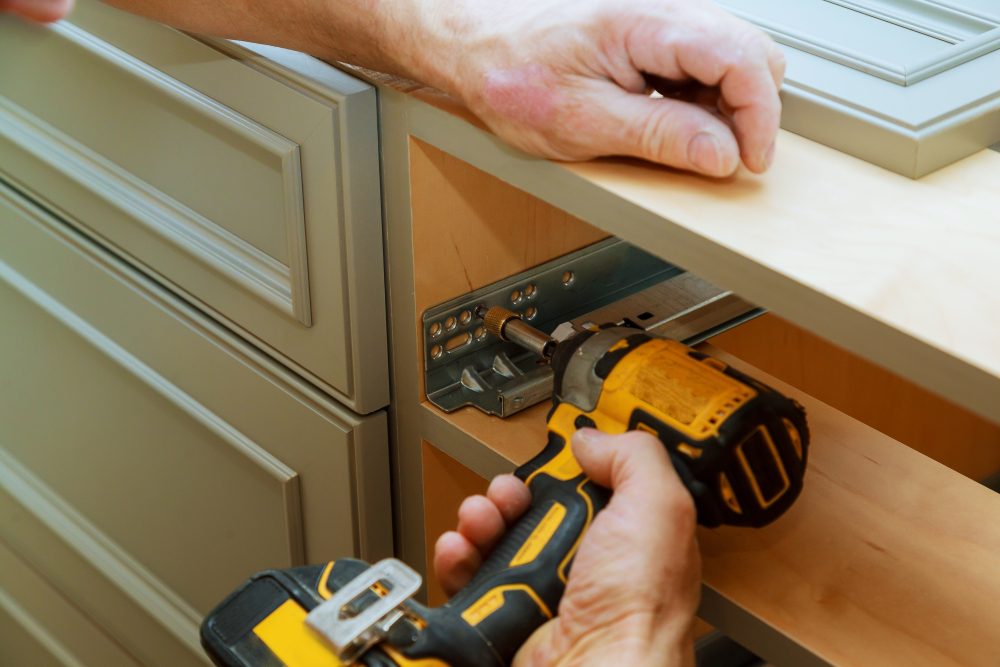
- Trim, casing, and baseboard repairs; planing sticky doors; hardware adjustments
- Tile regrouting, caulking, and small tile replacements
- Safety upgrades: grab bars anchored into studs, stair railings tightened or replaced
- Furniture assembly, closet systems, TV mounting with proper backing and anchors
Typical exterior tasks we handle
- Gutter cleaning and minor repairs; downspout extensions and drainage redirection
- Exterior caulking and weatherstripping to cut drafts
- Porch step, handrail, and deck board spot repairs (non-structural)
- Storm door installs, screen fixes, mailbox and house number placement
- Siding patching (vinyl/wood) and trim repairs on small sections
For a broader overview of job types, see our complete guide to handyman services. If you split time between Albany and Saratoga County, our perspective largely aligns with what a Saratoga handyman provides, adjusted for local codes and lot conditions.
Common misconceptions about handyman services
Licensing misunderstandings
In New York State, the rules vary by municipality. Around Albany, we meet two assumptions that don’t hold up:
- “Every job needs a permit.” Not for minor repairs or replacements in-kind. Structural changes, significant electrical, plumbing reconfiguration, and exterior alterations often do.
- “A handyman can do anything if they’re good.” Some tasks legally require a licensed trade or must be permitted and inspected—no workaround is worth risking safety or resale.
Scope and specialization myths
We fix a lot, but we aren’t a substitute for a master plumber, licensed electrician tackling service upgrades, or a roofing crew on a steep slate roof. When it helps the homeowner, we step back and recommend a specialist.
Pricing expectations
We price smaller jobs efficiently. Hourly or half-day structures are common for punch lists. For single, predictable tasks, flat pricing reduces uncertainty. Materials, access challenges (tight basements, third-floor walkups), and parking in dense Albany blocks can affect cost and time.
Quick comparison table
| Work Type | Handyman | Licensed Trade | General Contractor |
|---|---|---|---|
| Small repairs, replacements-in-kind | Best fit | Sometimes | Overkill |
| New circuits, gas lines, main drains | Not appropriate | Best fit | May coordinate trades |
| Structural framing, additions | Not appropriate | Trade involvement | Best fit |
| Permitted full bathroom/kitchen remodel | Assist on punch list | Multiple trades | Best fit |
What homeowners can expect from a qualified handyman
Day-to-day repairs done cleanly
Our routine Albany work includes drywall patches you won’t spot after paint, faucet drips fixed at the cartridge, and doors that finally latch. We focus on containment—drop cloths, dust control, and careful cleanup—because most jobs happen in lived-in spaces.
Safety-conscious upgrades
We install grab bars into solid backing, secure loose stair railings, and add better lighting on basement steps. Small changes prevent the injuries we hear about later.
Furniture assembly and installations
From flat-pack wardrobes to wall-hung vanities, we assemble, level, and anchor correctly. For TV mounting, we locate studs or specify rated anchors for masonry. We avoid guesswork that turns into damaged walls or unsafe loads.
When a task is too big
We draw a line at structural moves, service-panel electrical, major plumbing relocations, full roof replacement, and anything requiring engineered drawings. When we flag a project as out-of-scope, it’s because the right fix needs permits, specialty tools, and multi-trade coordination that a contractor handles best.
How local climate and home types affect service needs
Albany’s freeze–thaw cycles, lake-effect snow, and humid summers punch holes in caulk lines, swell old wood doors, and push water into weak points. We often see:
- Peeling exterior paint and soft trim on south and west exposures
- Ice-dam staining at eaves after heavy snow followed by sun
- Basement efflorescence and musty smells in spring
- Drafts around 1920s window casings and attic hatches
Housing stock matters. Center Square plaster needs different patching than drywall in a Guilderland colonial. Balloon-framed walls complicate fishing new lines. Old doors respond better to patient planing and hinge shimming than aggressive sanding. We tailor methods to the property’s age and materials.
Seasonal maintenance tasks in Upstate New York homes
| Season | Priority Tasks We Commonly Handle | Why It Matters Here |
|---|---|---|
| Fall | Gutter cleaning, downspout extensions, door weatherstripping, exterior caulking, storm window installs | Prevents ice dams, water entry, and heat loss before winter sets in |
| Winter | Draft sealing, minor attic hatch insulation, leak tracing, interior paint/patch work | Focus shifts indoors; cold reveals air leaks and condensation issues |
| Spring | Downspout redirection, basement moisture mitigation (sealing cracks), porch/step repairs | Snowmelt and rains test grading, drainage, and masonry joints |
| Summer | Exterior touchups, deck board replacements (non-structural), screen repairs, fence/gate fixes | Dry conditions favor outdoor patching and spot painting |
Interior vs. exterior: when handyman support makes sense
Interior scenarios
- Leak left a small ceiling stain and sag: cut out, patch, and repaint is a handyman job once the leak source is fixed.
- Fan or fixture buzzes: swapping the unit is appropriate, but service-panel diagnostics are not.
- Tile grout failing in a few spots: regrout and recaulk; full re-tile tips toward a tile specialist.
Exterior scenarios
- One or two rotted trim boards: we replace and prime; widespread rot or siding replacement requires a contractor.
- Loose handrail: re-secure with longer fasteners or new brackets; full stair rebuild goes beyond our scope.
- Gutter seam dripping: re-seal or replace a short section; full system redesign usually needs a gutter company.
Budget comparison: typical Albany ranges
These are ballpark ranges we see across the local housing market. Actual costs depend on access, finishes, materials, and scope clarity.
| Task | Handyman Approach & Range | Specialist/Contractor Range | Notes |
|---|---|---|---|
| Small drywall patch (up to 2×2 ft) with paint blend | $200–$450 | $400–$800 | Blending in older plaster may add time |
| Faucet replacement (owner-supplied) | $120–$250 | $250–$450 | Shutoff valve issues can add labor |
| Light fixture swap (like-for-like) | $100–$200 | $200–$350 | No new wiring or box relocation |
| Gutter cleaning (single-family) | $120–$250 | $200–$400 | Steep roofs or three stories cost more |
| Grab bar install (2 bars, into studs) | $150–$300 | $250–$450 | Tile walls may need special anchors |
When not to hire a handyman (and why)
- Electrical service upgrades, new circuits, knob-and-tube remediation: licensed electrician, permits, inspection.
- Whole-roof replacement, slate repairs on steep pitches: roofing contractor with proper safety gear.
- Structural framing, foundation movement, beam replacement: contractor and possibly an engineer.
- Gas line work, main drain replacements: licensed plumbers with testing and code compliance.
- Asbestos or lead abatement: certified remediation only.
- Major layout changes in kitchens/baths: general contractor coordinating trades, permits, and inspections.
The reason is simple: safety, liability, and future resale. Cutting corners on code issues often costs more later.
Local service considerations that affect planning
- Parking and access: Center Square and downtown Albany jobs may need load-in timing and permits; this affects efficiency.
- Historic details: Matching plaster texture, trim profiles, and paint sheen matters for older homes.
- Moisture history: We look for grading and gutter clues before treating basement symptoms.
- HOAs and multi-family rules: Work hours, noise, and common-area protections can shift scheduling.
Step-by-step: how to hire a handyman in Albany, NY
- Define the outcome: write 1–2 sentences per task about what “done” looks like.
- Gather photos: wide shot, close-up, and any access issues (stairs, attic hatch, parking).
- Prioritize: sort into safety, damage-preventing, and cosmetic groups.
- Set a working budget: decide on a cap for the visit; small punch lists fit well into half- or full-day blocks.
- Share material preferences: brand, finish, and color. If flexible, we’ll suggest durable options stocked locally.
- Ask scope questions: need for shutoffs, stud location, tile drilling, paint matching, and cleanup plan.
- Verify insurance: request proof of liability coverage; keep it on file for your records.
- Get a written scope: a short, clear description of tasks, exclusions, and how changes are handled.
- Schedule with context: let us know about kids’ nap times, pets, remote work meetings, or HOA windows.
- Prep the area: clear counters, empty under-sink cabinets, move parked cars if ladder work is planned.
- Confirm payment method and warranty terms: understand what’s covered and what’s wear-and-tear.
- Document the work: save receipts, paint codes, and fixture model numbers for future reference.
How choosing a reliable handyman supports long-term property value
In our Albany projects, the “value add” is rarely flashy. It’s the cumulative effect of small, correct fixes:
- Seals that stay tight through winter, so water doesn’t find a path into sills and framing.
- Repairs that match textures and sheens, so touchups don’t broadcast a past problem.
- Anchoring and layout choices that reduce accidents—stair rails, grab bars, better lighting.
- Notes and photos that help appraisers and future buyers understand maintenance, not neglect.
Shortcuts in old houses show up later. Careful work, clear records, and simple preventative steps slow down the cycle of damage and repaint.
FAQs
Do I need a permit for my project?
Not for most like-for-like repairs. If we move plumbing, add circuits, or alter structure, permits and licensed trades are usually required. We’ll tell you when the line is crossed.
Is searching “handyman near me” useful for Albany jobs?
It’s fine for discovery, but the better filter is local experience with Upstate New York housing—plaster vs. drywall, ice-dam history, and access in older neighborhoods.
How far do you travel in the Capital Region?
We regularly cover Albany, Colonie, Guilderland, Bethlehem, and nearby towns. For longer drives, we plan start times and group tasks to stay efficient.
Do you handle emergencies?
We can triage small urgent issues—like capping a minor leak or securing a loose railing. Active plumbing failures, electrical hazards, or roof breaches in a storm need specialized crews.
Can you supply materials, or should I?
Either works. We often source standard materials quickly. If you prefer a specific brand or finish, share links or model numbers early so we can check compatibility.
How do you price: hourly or flat?
Both. Punch lists fit well into half- or full-day rates. Single tasks (e.g., faucet swap, grab bar install) often get flat pricing. Unknowns—like what’s behind tile—are noted upfront.
What about older-home quirks like plaster and knob-and-tube?
We patch plaster and work carefully around fragile finishes. For legacy wiring and service upgrades, we defer to licensed electricians and coordinate timing around their work.
Conclusion
In Albany and across the Capital Region, small, well-executed fixes carry a lot of weight. A qualified handyman keeps everyday problems from turning into long, expensive projects, and knows when the right answer is calling in a specialist. If you align scope, timing, and expectations—and lean on seasonal maintenance suited to Upstate New York—the house stays tighter, safer, and easier to live in. That steadiness matters more than any single repair, and it’s how we approach every visit offering handyman services in albany.